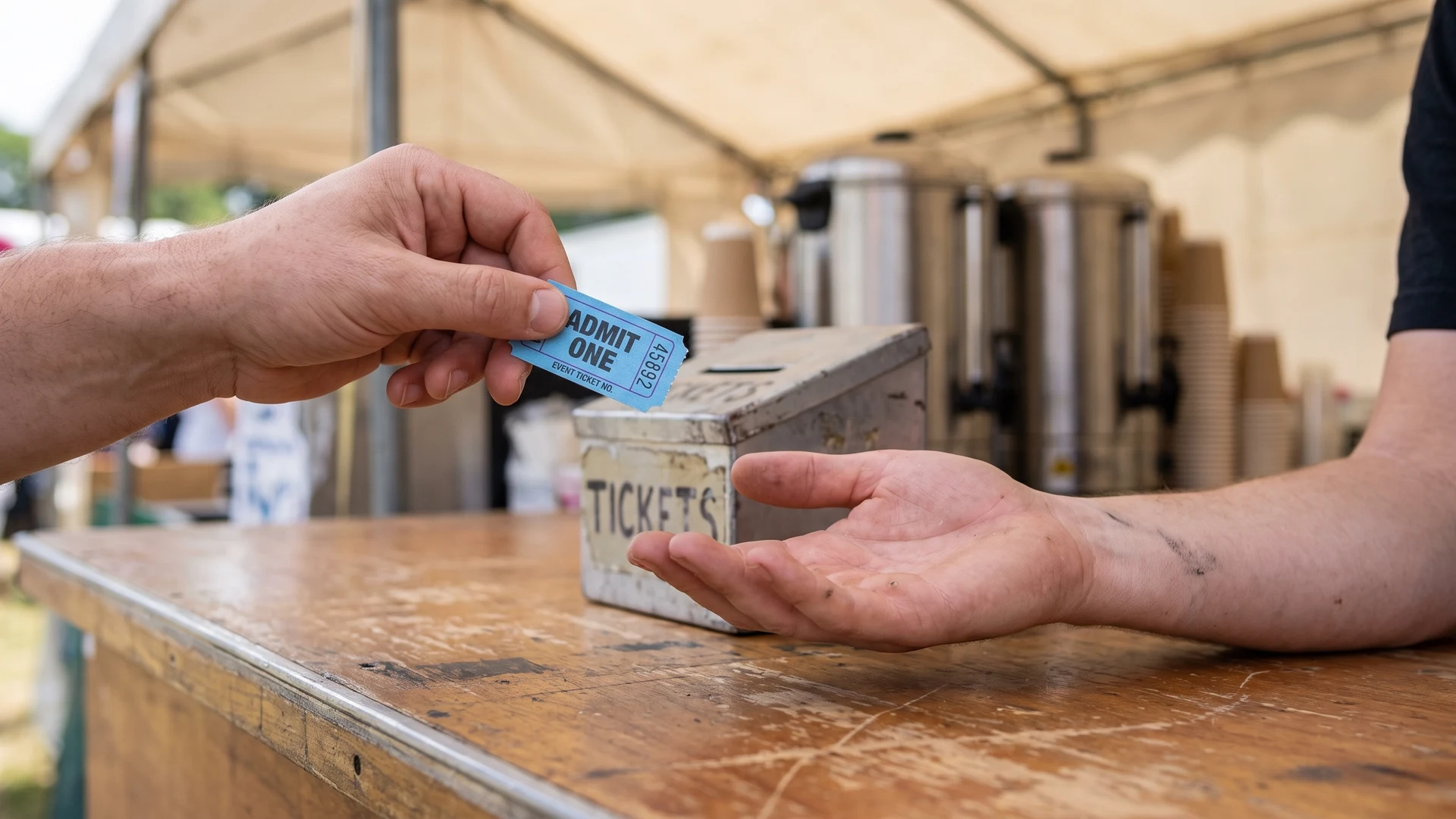
Designing food and drink tickets that reduce counter queues
Thoughtful physical ticket design directly improves counter service speed and reduces errors during high-demand periods. When you provide staff with simple and easy-to-read tickets, they spend less time deciphering orders and more time handing over food and drinks. Removing unnecessary complexity from the ticket layout helps both professional caterers and occasional volunteers keep the queue moving smoothly. By planning these physical details carefully, you empower your team to handle large crowds without confusion.
Establishing fixed values for faster service
Creating a standardized system of fixed ticket values prevents calculation errors and speeds up the transaction process at the counter. Facility managers and event organizers benefit from removing complex pricing at the point of service, allowing staff to focus entirely on fulfilling orders. When you eliminate the need to calculate change, you reduce the physical bottleneck at the service window. A straightforward value exchange system ensures accurate transactions and builds confidence among your service team.
Replacing cash with standardized ticket values
Switching from cash transactions to a physical ticket system removes the need for secure cash registers at every food station. Visitors purchase their fixed-value tickets at a central location, which simplifies security and cash handling for your entire event. Staff at the food counters simply collect the corresponding tickets, which drastically reduces the time spent on each individual guest. This separation of payment and service keeps lines moving swiftly and minimizes the risk of mishandled money.
Matching ticket values to common menu prices
You can streamline the process further by aligning the fixed value of your physical tickets with the most common menu items. If most drinks cost the same amount, setting a single ticket value to match that price allows guests to hand over one item for one beverage. This direct one-to-one exchange removes the need for visitors to count out multiple lower-value coupons while standing at the front of the queue. Organizers who match ticket denominations to their menu structure find that staff can process orders with far less effort.
Handling combined food and drink meal deals
Offering combined meal deals requires a clear strategy to ensure staff know exactly what the physical ticket covers. You can design a specific ticket format that explicitly grants the holder one main food item and one drink. This avoids situations where a guest tries to redeem a single generic coupon for a premium combination that usually requires multiple tickets. Providing a dedicated meal deal ticket gives your team a foolproof way to recognize and fulfill the order instantly.
Separating food and drinks with distinct ticket colors
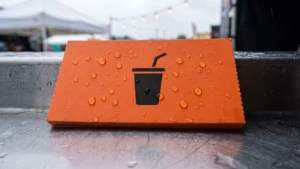
Using distinct colors for different categories separates your service lines and helps staff instantly identify the correct ticket type. Strong visual cues allow service staff to verify tickets from a distance during incredibly busy periods. When a volunteer sees a bright blue ticket, they immediately know the guest is waiting for a soft drink rather than a hot meal. Choosing highly contrasting colors prevents confusion at mixed-service counters where multiple items are distributed simultaneously.
You should avoid selecting shades that look similar under varying lighting conditions, such as dark blue and black or pale yellow and white. When you assign completely different color families to distinct menu categories, you create a system that is accessible and straightforward for everyone involved. This visual separation also helps visitors join the correct queue, as they can quickly match the color of their physical ticket to the corresponding service station. A thoughtful color strategy supports your team by providing immediate visual confirmation before a word is even spoken.
Printing clear wording for portions and categories
While color coding offers a fast visual cue, exact text printed on the ticket removes any remaining ambiguity about what the guest is entitled to receive. Printing clear wording ensures that both the visitor and the staff member understand the exact nature of the transaction. Plain text complements your color strategy, making the system accessible to individuals with color vision deficiencies. Detailed printing reduces customer disputes and limits unnecessary discussion at the busy service counter.
Specifying exact portion sizes on the ticket
Printing the specific portion size directly on the physical ticket prevents misunderstandings about what the visitor has purchased. If your event offers both standard and large servings, the ticket must clearly state which size the guest receives. This precision stops visitors from expecting a premium portion when they have only paid for a standard one. Explicit portion wording gives your volunteers a firm and objective reference point to follow when fulfilling orders.
Naming specific menu categories clearly
Using broad terms on a ticket can lead to delays if the category is too vague for the staff to interpret quickly. Instead of printing a generic word like beverage, you should specify whether the ticket is valid for a soft drink, a hot beverage, or an alcoholic drink. Clear category names guide the guest to the correct counter and ensure staff hand over the appropriate item. When the text matches your menu boards exactly, the entire physical redemption process becomes much more efficient.
Ensuring printed text is readable in low light
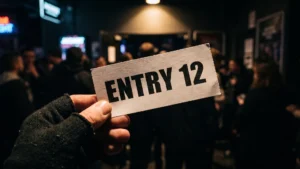
Evening events and indoor venues often suffer from poor lighting, which makes small or intricate text difficult to read. You must choose large and bold fonts with high contrast against the background color of the ticket to maintain readability. Staff need to confirm the wording in a fraction of a second, so avoiding complex fonts or overly dense text is essential. Simple and legible printing ensures that your physical ticket system functions perfectly regardless of the environmental conditions at your venue.
Setting up a ticket redemption process at the counter
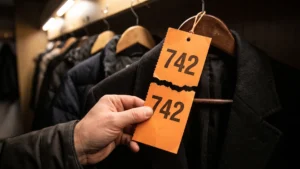
Establishing a sequential method for staff to receive, verify, and store physical tickets is crucial for maintaining control during service. You need a clear operational sequence to share with your staff or volunteers to prevent tickets from being reused or misplaced. Organizing this physical workflow ensures that tickets maintain their integrity from the moment a guest hands them over to the final count. Following a standardized process allows your team to handle redemptions confidently and securely.
- Receive the ticket: The staff member must take physical possession of the ticket from the visitor before beginning to prepare the food or drink. Taking the item first establishes control of the transaction and prevents the guest from walking away with both the ticket and the product. This simple physical exchange initiates a clear sequence for the entire service interaction.
- Verify the details: Your team should check the color, printed wording, and any existing security features to confirm the ticket is valid for the requested item. Quickly reading the specific text ensures that the guest receives the correct portion size and category. This verification step takes only a second but prevents costly mistakes during high-volume periods.
- Fulfill the order: Once the physical ticket is verified, the staff member prepares the requested portion or retrieves the correct beverage for the guest. The team can now focus entirely on providing fast and accurate service without worrying about payment calculations. Handing over the finished product completes the value exchange smoothly and efficiently.
- Store securely: The collected ticket must be placed immediately into a dedicated and secure container to prevent it from re-entering circulation. Dropping the used coupon into a closed box ensures that it cannot be picked up and presented again by another visitor. Secure storage at the counter protects the integrity of your entire ticketing system.
Counting and reconciling tickets after service
A well-designed physical ticket system makes post-event counting and consumption tracking completely straightforward for your management team. By collecting and sorting the separate ticket types, you can accurately measure how much food and drink was distributed during the event. Connecting your ticket design back to your reporting needs ensures you have the objective knowledge required to plan your next event successfully. For additional educational resources on physical systems, the practical guides at Coupon Tickets offer further support, and you can direct general enquiries to contact@coupontickets.com.
How do I choose fixed values for food and drink tickets?
Start with your menu. Group prices into simple steps that cashiers can read quickly, such as whole figures that match common items. Set the smallest value so it buys at least one item. Publish a clear exchange chart at each stand, and test with a short pilot.
Should food and drink tickets use different colours?
Yes, distinct colours speed recognition, but always back colour with clear words and a large printed value. Add an icon or shape for each category to help guests with colour vision deficiency. Brief your team on the scheme and display a legend at each counter.
What wording prevents portion mix ups?
Use plain, specific wording. Write the item and portion, for example One burger or Two snack portions, and name the redeeming stand. Avoid abbreviations and vague terms. Keep the font large and consistent so staff can confirm the value without discussion during rush periods.
How should I lay out tickets to speed up redemption?
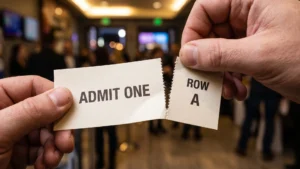
Place the value and item at the top in large type, then the stand name. Keep one action per ticket. Add a perforation, which is a tear line, so staff can detach and keep a stub. Leave blank space for quick marking if needed.
How do we reconcile food and drink tickets after service?
Use sequential numbering, meaning each ticket carries the next number in a defined series. Record which pad went to each stand. After service, sort by colour and stand, count stubs, and reconcile against issued ranges and expected usage. Note variances and adjust instructions.