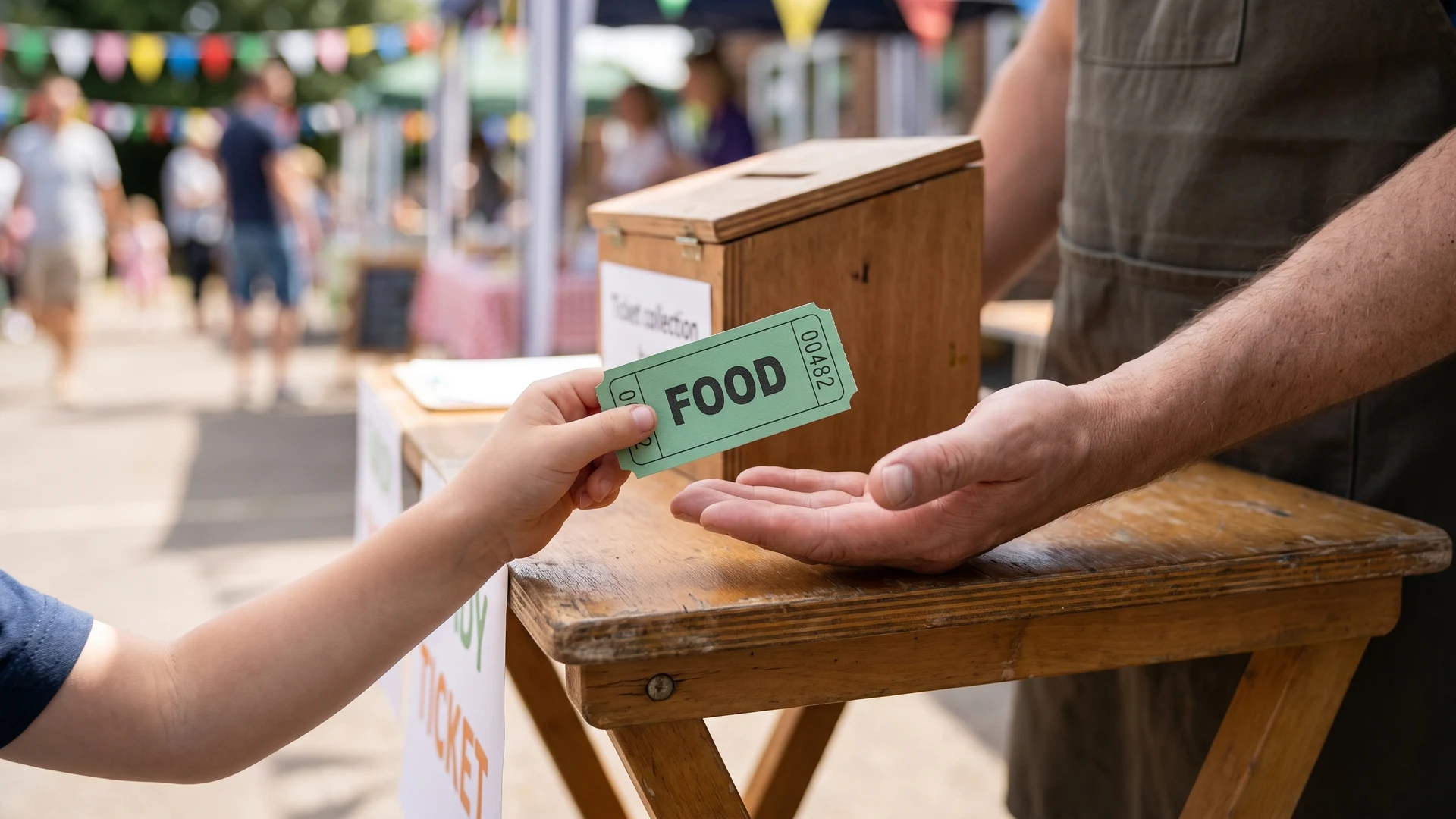
Designing simple tickets for busy school events
A school fair environment brings unique challenges because you are managing crowds, multiple activities, and volunteers who may have never run an event before. You need physical tickets that communicate their exact purpose at a glance so that staff do not hesitate during busy moments. Complex layouts or vague wording will only slow down queues and frustrate both parents and children. Coupon Tickets provides objective educational resources to help you design formats that remove friction from these fast-paced environments.
Choosing between general tickets and separate coupons
Before you order your physical items, you must map out how visitors will navigate your event. You can choose a unified currency approach or assign distinct formats to specific areas of the school fair. Mapping the visitor flow helps you select a structure that matches your operational capacity and keeps lines moving smoothly.
General tickets for all activities
A general ticket acts as a single currency that visitors can spend anywhere across the fair. This approach simplifies your initial sales desk because parents just buy a sheet of identical tickets. Volunteers at each stall then collect a set number of these tickets depending on the activity. While this reduces printing variations, it requires clear signage at each game so guests know exactly how many tickets they need to hand over.
Separate coupons for specific games
Assigning separate coupons to specific games creates a highly controlled flow for popular attractions. You might print a distinct physical coupon for the bouncy castle and another for the dunk tank. This method prevents a single attraction from being overwhelmed by guests spending all their general tickets in one place. Volunteers also find it much easier to collect one specific item rather than counting out multiple general tickets during a rush.
Fixed value food and drink tickets
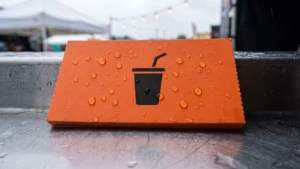
Food and drink stations experience the heaviest traffic, so you need a dedicated system for these areas. Fixed value tickets allow guests to pay upfront at a central till and then exchange their items quickly at the serving counter. This removes cash handling from the catering volunteers, which improves hygiene and speeds up service. You can read more about planning these systems by reaching out to contact@coupontickets.com for general enquiries.
Adding the right details without overcrowding the ticket
A successful physical ticket gives volunteers exactly the information they need to verify it instantly. Adding too much text or unnecessary graphics will clutter the small paper space and cause confusion at the collection point. You must strip the design down to its most functional elements so that anyone can read it at a glance.
Keeping wording clear and brief
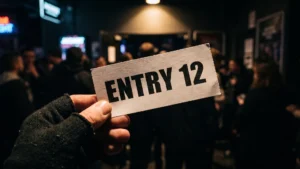
The text on your physical items should state exactly what the item is valid for in plain accessible language. Instead of writing long sentences about terms and conditions, simply print basic phrases like one hot dog or one game entry. Volunteers need to read this information in less than a second while managing a line of children. Removing excess words ensures that the primary function stands out boldly.
Using distinct colours for quick recognition
Colour is the fastest way for your team to identify different ticket types during a busy rush. You can assign a specific background shade to each category, such as green for drinks and blue for activities. This visual shortcut helps staff spot the correct value immediately without having to read the text every time. However, you should always combine colour with clear wording so that colour-blind volunteers can still operate the station effectively.
Including basic numbering for tracking
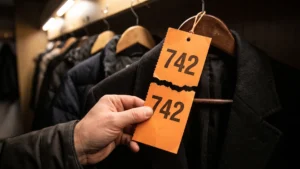
Sequential numbering gives every ticket a unique number within a defined series. This technical feature helps your organizing team track exactly how many items were sold and issued at the front gate. You can use these numbers to reconcile your cash takings and calculate which activities were the most popular after the event concludes. Numbering also adds a basic level of security by making it difficult for anyone to duplicate the items.
Managing the flow of tickets on the day
A well-designed physical ticket only works if your team follows a consistent chronological process on the event day. You need to give your volunteers clear instructions on how to distribute, check, and collect the items securely. Establishing these steps prevents bottlenecks and keeps every activity running smoothly from start to finish.
- Central distribution: Set up a main sales desk near the entrance where guests exchange their cash for the physical items. This centralises all cash handling and provides a single point for visitor questions. Brief your front desk team to explain how the different colours work as they hand the items over.
- Clear validation: Instruct volunteers at each station to check the colour and wording before accepting the item from a guest. This quick visual check prevents visitors from accidentally handing over a food voucher for a game. It only takes a second but ensures your event runs exactly as planned.
- Secure collection: Provide small lockable boxes or dedicated aprons at every stall so staff can safely store collected tickets. This prevents the items from blowing away or being mixed up on busy tables. Keeping the collected items secure is crucial for accurate counting later on.
- Final reconciliation: Count the collected items from each box at the end of the day to measure activity popularity. Compare this final count against the starting sequential numbers from your main sales desk. This concrete step helps you order the correct quantities for next year.
Finding the balance for your school fair plan
The best physical ticketing system for your school fair is the one that directly supports your volunteers. By mapping out your visitor flow and choosing clear formats, you keep your event organised without introducing unnecessary complexity. Remember to order realistic quantities based on your expected attendance and leave a small reserve for unexpected walk-in guests. A carefully planned approach keeps queues moving, reduces mistakes, and ensures everyone enjoys a straightforward day.
What details should a school event ticket include?
Provide only the essentials to keep it readable. Include event name, date, times, what the ticket covers, and simple instructions such as where to redeem it. Add clear value or price if relevant. Use readable type, strong contrast, and enough white space.
When is one general ticket a better choice than separate coupons?
Choose a single general ticket for small fairs with few stations and short queues. It is quick to explain and easy to issue. You give up granular tracking of activities. Use it when speed and simplicity matter more than detailed reconciliation.
How should we design fixed value food and drink tickets?
Keep values simple and consistent to speed service. Use clear wording and a bold number for the value. Use distinct colours for food and for drinks, and also print the category in text. Round prices to the nearest value to reduce change and confusion.
Do we need perforated stubs on tickets?
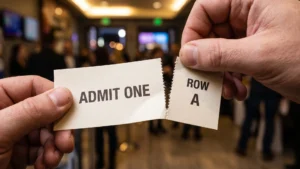
Use perforation when you need to tear off a part for control. Perforation is a row of small holes that lets staff remove a stub cleanly. It helps with admission collection, raffles, and cloakroom matching. If you will not collect stubs, avoid it.
How can we reconcile tickets after the event?
Plan a simple count that matches issued and collected totals. Sequential numbering means each ticket carries a unique number in order, which helps tracking. Keep separate boxes for each station. Record spoiled items. Note shortages and investigate by series.