Overcoming environmental challenges with physical event tickets
Standard ticket designs often fail when confronted with unpredictable outdoor environments. Rain quickly damages thin paper, while bright sunlight causes harsh glare that obscures important text. When your staff cannot easily read or handle admission passes, queues build up and cause frustration for your guests.
Evaluating the physical environment before you order your tickets ensures your team can work efficiently in any setting. Venue managers must consider factors like dim lighting in evening events or the loud background noise of a busy festival. By addressing these practical barriers early, you empower your staff to process entries smoothly regardless of the conditions.
Choosing ticket size and layout for wet conditions
Rain and humidity quickly destroy standard paper formats, making them impossible for staff to verify or collect at the gate. Selecting the right paper weight and layout protects your admission process during unpredictable outdoor events. Preparing your materials for wet conditions ensures your team can keep the entry flowing without dealing with soggy, unreadable passes.
Adjusting ticket dimensions for easier handling
Grams per Square Meter (GSM) measures paper grammage, which dictates how well a physical ticket survives moisture. Low grammage paper turns to mush almost instantly when exposed to rain, making it useless for outdoor entry. Upgrading to a thick cardstock between 250 and 400 GSM ensures the ticket retains enough structural rigidity for staff to handle it without tearing.
Spacing out crucial details to prevent smudging
High humidity causes paper fibers to swell, which makes printed ink spread outward and become illegible. Maximizing white space around critical text acts as a buffer zone so expanding characters do not bleed into each other. You can also apply edge buffering by leaving a blank border around the entire perimeter of the ticket. This keeps important details safely away from the edges where moisture absorption and physical handling usually begin.
Designing clear visual cues for loud event spaces
Loud music and heavy crowd noise make it difficult for facility managers and event staff to communicate verbally with guests. Relying on visual communication allows your team to process entries and guide visitors without having to shout instructions. Clear design choices keep your queues moving efficiently when hearing becomes a challenge.
Using high contrast colors for instant recognition
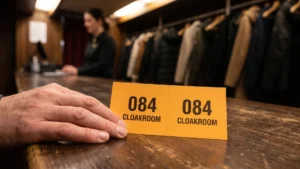
Assigning distinct, high contrast colors to different ticket categories helps staff identify exactly what the visitor needs immediately. A bright red entry pass stands out distinctly from a yellow cloakroom ticket, even from several steps away. This instant visual recognition allows your team to point guests in the right direction quickly and accurately.
Replacing text with simple bold symbols
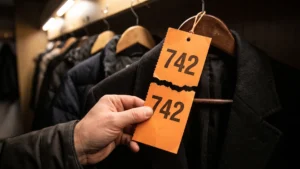
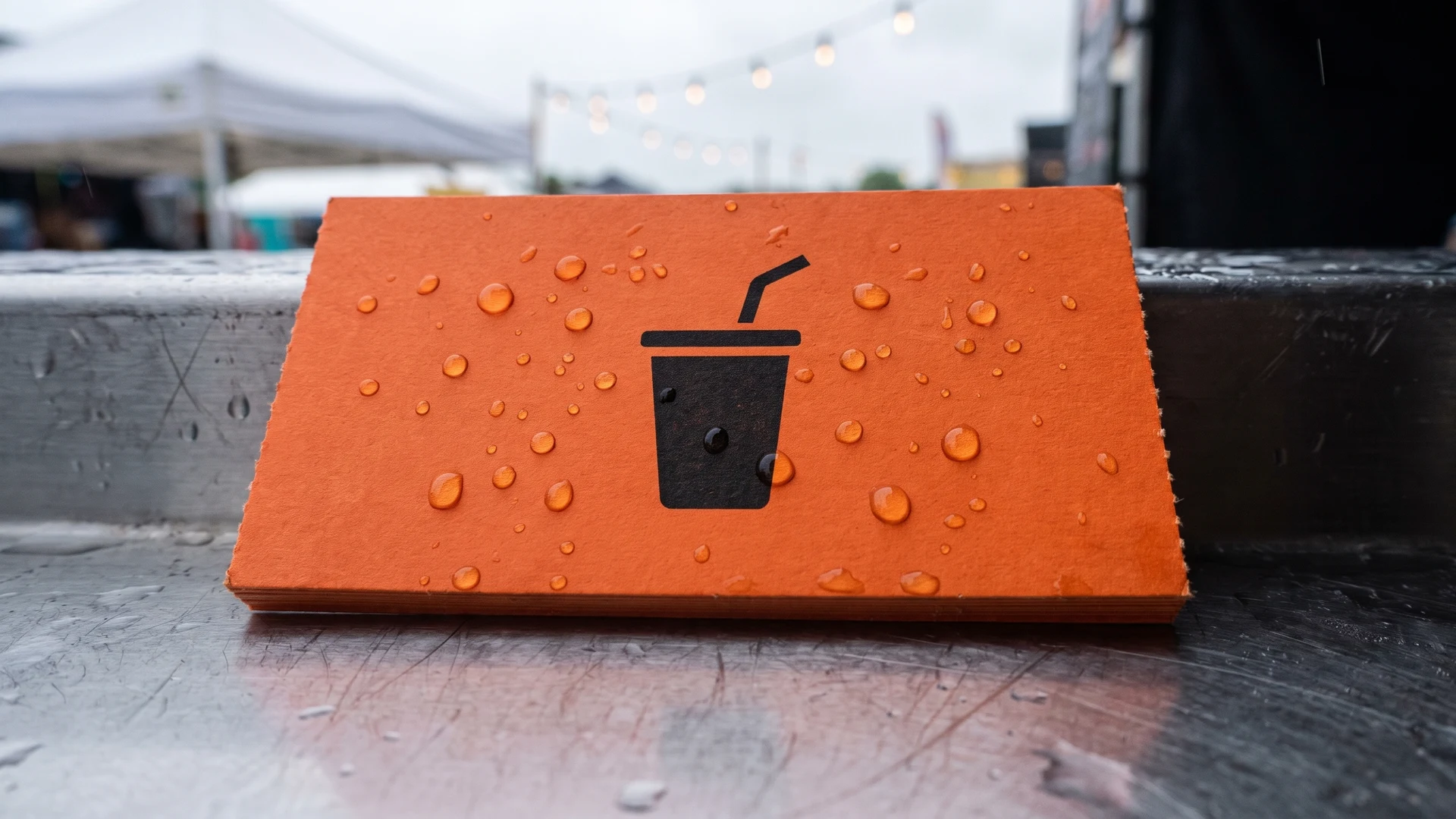
Dense paragraphs of text are difficult for busy staff to read while managing a noisy crowd. Replacing lengthy instructions with large, bold symbols communicates the ticket purpose instantly. A simple icon of a coat for the cloakroom or a cup for the beverage stand tells both the visitor and the staff member exactly what to do next.
Grouping information for quick scanning
Placing related details close together makes it much easier for staff to scan the ticket in a fast-paced environment. You can group the date, time, and specific location into one dedicated corner of the layout. This organized structure ensures your team always knows exactly where to look for the most important validation details.
Adapting ticket wording for low light areas
Handheld torches and dim stage lighting make standard text difficult for staff to read quickly at dark venue entrances. You can improve readability by choosing a sans-serif font, which lacks the small decorative flourishes that blur together in low light. Selecting a font with a large x-height, which is the height of lowercase letters relative to uppercase letters, makes individual words easier to recognize when visibility drops. Pairing dark ink with a matte, light background ensures the text maintains high contrast even when staff use a flashlight to check admission passes.
Reducing ticket glare in direct sunlight
Direct sunlight creates severe visibility problems when tickets feature a high-gloss coating. Glossy surfaces cause specular reflection, which acts like a mirror and produces blinding hot spots that wash out printed text. When ticket verifiers encounter this intense glare, they must continuously tilt and reposition the ticket to read it, which slows down the entire admission process.
Replacing glossy finishes with a matte paper stock eliminates these sharp reflections entirely. Matte surfaces feature microscopic peaks and valleys that scatter incoming sunlight in multiple random directions rather than bouncing it straight back. This diffuse reflection completely removes the blinding glare spot, making the ticket easy for your team to read from any angle outdoors.
Setting up a reliable sequence for checking tickets outdoors
Managing physical tickets in difficult weather requires a clear workflow to prevent errors at the gate. You can train your staff using a concrete operational process that keeps queues moving smoothly regardless of the conditions. Following a strict sequence ensures every ticket is processed correctly before the guest enters the venue.
- Preparation: Equip your staff with the right tools, such as waterproof aprons or covered clipboards, before the gates open. This gives your team a dry, secure place to store collected tickets safely. Proper preparation prevents loose paper from blowing away or getting ruined by the rain.
- Receipt: Instruct team members to take the ticket firmly from the guest to prevent the wind from snatching it. A secure handoff is critical when guests are wearing thick gloves or dealing with umbrellas. Establishing this physical connection immediately speeds up the rest of the checking process.
- Verification: Staff must check the visual cues, such as the distinct color and bold symbols, to confirm the ticket is valid. They should focus on the grouped information block to verify the date and location instantly. This quick visual scan replaces the need for verbal confirmation in loud or stormy environments.
- Collection: Tear the ticket cleanly along the perforated line to separate the admission stub. Return one half to the guest for their records, and immediately place the collected half into a secure box. Storing the collected sections properly makes it much easier to reconcile usage after the event concludes.
Managing food and drink tickets in busy surroundings
Crowded food and beverage stalls require simple ticket designs so bar staff can serve customers rapidly. You can assign a different ticket colour to each food or drink category, which helps staff recognise the correct value quickly during busy periods. When the visual design does the heavy lifting, your team can prepare the order without needing verbal confirmation over the loud background noise.
Placing the value or item name in the center of the ticket ensures it remains visible even if the edges become smudged by wet hands. Giving staff clear, distinct coupons prevents confusion between different price tiers or meal options. A well-designed distribution system at the catering stands keeps the crowd moving and reduces the chance of serving mistakes.
Preparing your physical ticket system for any venue
Planning your ticket design around the physical realities of your venue prevents operational failures on the day of the event. You can consult the objective guides provided by Coupon Tickets to help you structure a reliable process for your specific location. By anticipating these environmental challenges, you can build a resilient physical ticket system that supports your staff and keeps your queues moving.
Does higher GSM paper make event tickets rainproof?
Higher GSM improves how long your ticket holds up in rain, but it does not make it waterproof. GSM means grams per square meter. Thicker stocks resist tearing and warping longer, yet paper fibers still absorb water. For real moisture resistance use a protective coating or synthetic papers such as Tyvek or Polyart.
How should I lay out barcodes and text for wet handling?
Center the barcode with a wide quiet zone, a margin around the code, and keep ink away from edges. Keep a 0.25 inch border, add white space, and avoid heavy solids. Use a sans serif at 10 point or larger. Use pigment or UV-cured inks and top-coated direct thermal paper.
Which fonts and sizes stay readable in low light with torches?
Choose a clean sans serif with a large x-height, the height of lowercase letters, and open apertures, the openings in letters. Set text at 12 to 16 point in medium to bold weight. Use high contrast on a matte background. Under torchlight aim for a 7:1 contrast ratio.
What finishes and layouts cut glare on tickets outdoors?
Choose matte stock to scatter light and avoid high gloss that creates mirror glare and hides text and barcodes. Satin is a workable middle ground. Reduce glare by shading checkpoints, angling surfaces slightly downward, and keeping the reading area out of the direct sun.
How can I make tickets easy to understand when entrances are noisy?
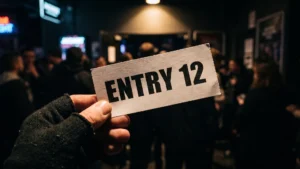
Use big plain wording with icons and consistent colors by ticket type, and oversized numbering so staff can confirm at a glance. Put the key action in the top third, avoid dense text, use arrows to show tear direction, and keep one instruction per side.