Creating a reliable cloakroom ticket system
A well-planned physical ticket forms the foundation of any efficient cloakroom operation. When you design your tickets thoughtfully, you directly reduce queue times and improve the overall experience for your guests. Clear physical tickets eliminate guesswork for your staff and ensure they can quickly locate the correct coats or bags. This straightforward approach builds trust with your attendees while keeping your front-of-house operations completely organised.
How matching pairs prevent lost items
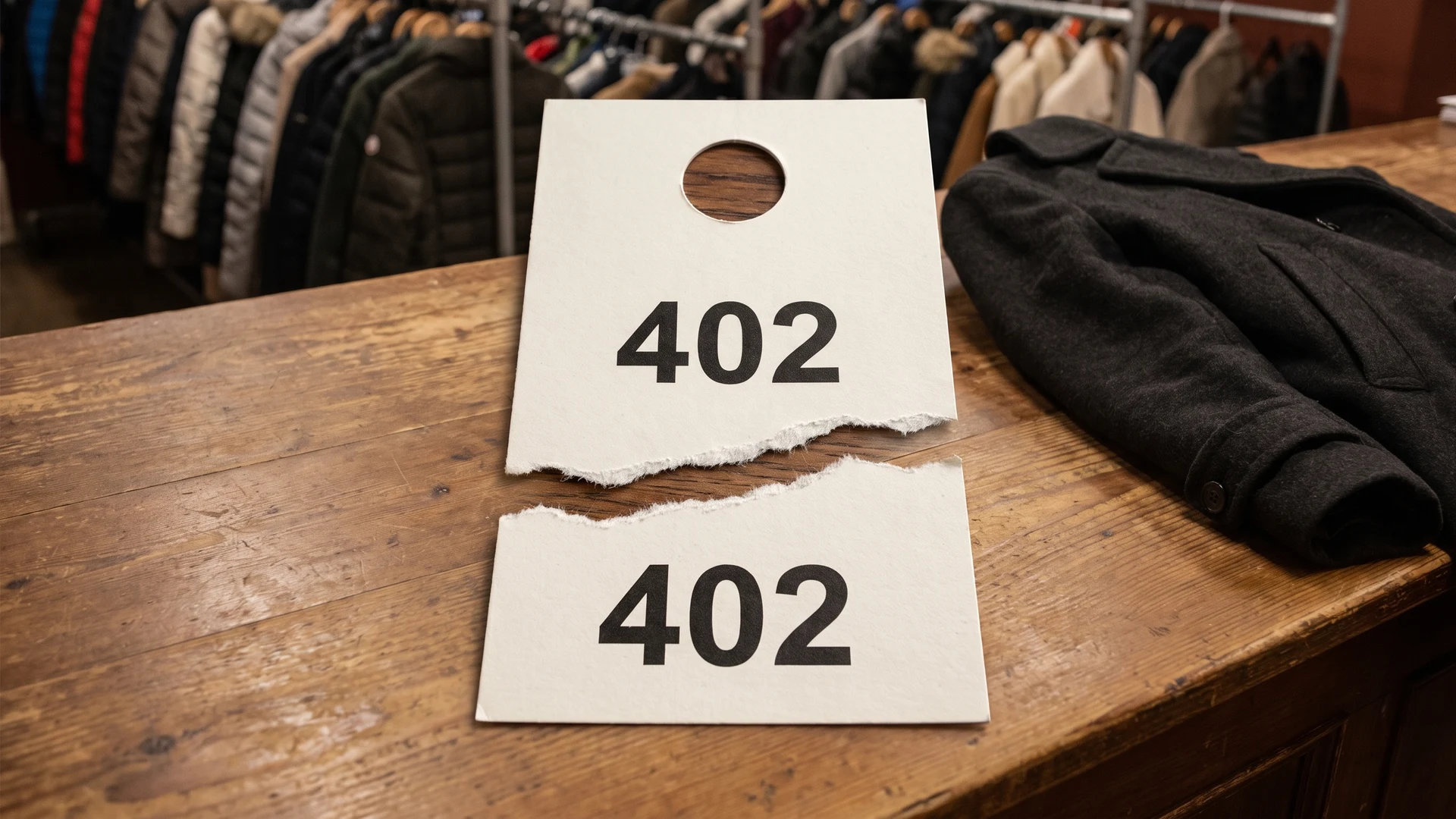
A functional cloakroom relies on a two-part ticketing system where identical information connects a guest to their specific belongings. One section of the ticket stays with the visitor, while the staff attach the corresponding half securely to the hanger or bag. This matching principle creates a foolproof link that removes any ambiguity during the collection process. Your staff simply compare the numbers on the two detachable sections to confirm ownership instantly.
When you implement this identical pair mechanic, you protect both your guests and your venue from misplaced items. The physical separation of the ticket acts as a simple security measure that requires the guest to present their exact matching half. This physical exchange reassures visitors that their property remains safe throughout the event. Your team can process returns much faster because they never have to rely on visual descriptions or memory to find the right coat.
Choosing the right physical materials and dimensions
Selecting the correct physical specifications for your cloakroom tickets ensures they survive constant handling throughout your event. You must consider the size, material strength, and attachment features to provide your staff with reliable tools. Evaluating these physical attributes helps you choose tickets that fit securely on hangers and resist tearing during active use. Making informed procurement decisions prevents operational failures when your cloakroom reaches peak capacity.
Ticket size and visibility
The overall dimensions of your cloakroom tickets determine how quickly your team can read them in poorly lit environments. You need a ticket large enough to display clear numbers without becoming cumbersome for the guest to carry in a pocket or purse. A balanced rectangular shape offers enough space for large typography while remaining easy to detach and hand over. When you optimise the physical size for visibility, your staff spend less time examining text and more time retrieving items.
Paper strength for durability
The tear resistance of your tickets depends heavily on the paper weight, which manufacturers measure in Grams per Square Meter. For durable coat check coupons, the industry standard ranges from 200 to 250 Grams per Square Meter, providing a heavy cardstock feel. This thickness ensures the ticket remains rigid and does not rip accidentally when staff slide it onto a hanger. Choosing a heavy paper stock prevents the ticket from falling apart under the weight of winter coats or repeated handling.
Hole punching for hangers
The diameter of the pre-drilled hole dictates how smoothly the ticket slides onto standard garment hangers. An industry standard hole punch measuring between 1 inch and 1.25 inches provides a universal fit for thick plastic, wooden, and wire hangers. This specific sizing prevents the ticket from getting stuck on large hooks or blowing off loosely in a draft. By matching the hole diameter to your specific hangers, you help your team work quickly without tearing the paper during busy check-ins.
Applying clear numbering and simple wording
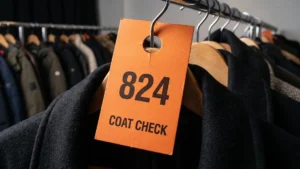
Large and legible sequential numbering is essential for keeping your cloakroom operations running smoothly. Sequential numbering gives every ticket a unique number within a defined series, which prevents any two guests from holding identical claims. You should print these numbers prominently on both halves of the ticket to ensure fast visual recognition by your team. Clean typography reduces reading time and minimises mistakes when staff search for items in crowded or dimly lit storage areas.
Alongside the numbering, you must keep any printed text concise and highly functional. Limit the wording to essential instructions or simple disclaimers so you do not clutter the ticket face. Adding unnecessary text distracts from the core matching numbers and slows down the visual scanning process. A minimalist layout allows your team to focus entirely on matching the guest with their property as quickly as possible.
Instructing your team on the collection process
Providing a clear sequence for your staff translates your physical tickets into a reliable and fast workflow. You can train your employees and volunteers using a simple protocol that prevents mix-ups during busy collection periods. Following these exact steps ensures that every item returns to the correct owner without unnecessary delays. A consistent routine builds confidence within your team and keeps the queue moving steadily.
- Receive the guest ticket: The staff member accepts the detachable portion from the visitor as they approach the counter. They must read the sequential number carefully to identify the general location of the item. This initial check sets the pace for the entire retrieval process.
- Locate the stored item: The team member navigates to the corresponding numbered section in the cloakroom storage area. They visually scan the hanging garments or bags to find the exact matching tag. Organising the physical space sequentially makes this searching step much faster.
- Verify the matching pair: The staff member compares the number on the guest ticket directly against the tag attached to the physical item. They must ensure both numbers match perfectly before moving the item from its storage spot. This deliberate verification acts as the primary safeguard against handing out the wrong property.
- Remove the venue ticket: Once the numbers match, the staff member takes the attached ticket off the hanger or bag. Detaching this tag signals that the venue no longer holds responsibility for the item. It also clears the hanger for immediate use by another arriving guest.
- Return the property: The team member hands the coat or bag back to the waiting visitor with a polite greeting. They then securely dispose of both used ticket halves to prevent any accidental reuse. Completing this final step cleanly keeps the workspace tidy and prepares the staff member for the next guest.
Keeping the cloakroom efficient during peak times
Managing sudden rushes at the end of an event requires a combination of well-designed physical tickets and prepared staff. When your team trusts the ticketing system, they can maintain a steady rhythm even when a large crowd arrives simultaneously. Coupon Tickets provides these practical planning insights to help you build confidence in your venue operations. A simple physical system remains highly effective under pressure, ensuring every visitor leaves your facility with a positive final impression.
How big should a cloakroom ticket be, and what should it say?
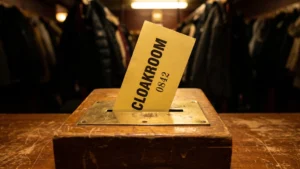
Pick a size that is easy to read at arm’s length and shows a bold number clearly. Leave space for a hole, a perforation, and short wording such as Cloakroom and Please keep this ticket. A perforation is a line of small cuts that lets you tear off a stub cleanly.
What paper weight makes a cloakroom ticket durable?
Use 145 to 175 grams per square meter (GSM) for standard cloakroom tickets and 200 to 250 GSM for heavy use. Heavier stock resists tearing on hangers. A protective coating and additives that keep paper strong when wet help in damp areas. Direct thermal printers that use heat need heavy thermal grades.
What hole punch diameter fits standard garment hangers?
Choose about 1.0 to 1.25 inches for a universal fit across wire, plastic, and wood hangers. Smaller than 0.5 inches is too tight and risks tearing. Around 0.5 to 0.75 inches suits thin wire hangers only. Over 1.5 inches sits loose and can fall off.
How should I number matching cloakroom tickets?
Print the same large, high contrast number on both parts and issue them in sequence. Give each counter a defined range to avoid duplicates. Keep number placement consistent for quick scanning. If helpful, add a small write-on line for notes like size or colour.
How do I brief my team so collection stays smooth during busy periods?
Train one simple sequence. Issue the next number, repeat it to the guest, attach the match to the hanger, and store items in clear number blocks. At collection, match numbers before handing over. Set a lost ticket check using a brief description and photo identification, and record exceptions.