Why numbered tickets matter for event control
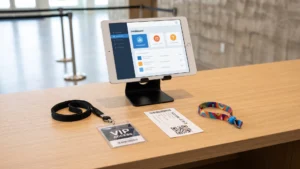
Using numbered tickets gives your team a straightforward method for tracking inventory and maintaining accountability throughout your event. Each unique number serves as a clear marker that helps you monitor exactly how many tickets your staff distribute at any given time. This physical tracking eliminates guesswork when you need to calculate remaining stock or verify revenue at the end of the night. A well-planned numbering system ultimately reduces discrepancies and provides a reliable foundation for all your event operations.
Common numbering choices for physical tickets
Choosing the right numbering method depends entirely on the size of your event and how many distribution points you operate. Your approach should keep queues moving quickly while making administration as simple as possible for your team. Selecting an appropriate setup ensures your staff can track their activity without confusion.
Sequential numbering for single points
A continuous sequence of numbers works best when you issue tickets from a single desk or entrance. The staff member simply hands out tickets in strict numerical order, making it easy to identify exactly how many guests have arrived. This straightforward approach requires minimal training and leaves almost no room for distribution errors.
Number ranges across multiple sales points
When your event uses several entrances or distribution desks, you should assign specific blocks of numbers to each location. One desk might handle numbers one to five hundred, while another manages numbers five hundred and one to one thousand. This separation prevents overlapping records and allows you to track the performance of each individual station.
Separate series for each ticket type
Complex events often benefit from using entirely distinct numbering series for different categories, such as standard entry and special access. You can combine different number sequences with distinct ticket colours to give your team an immediate visual reference. This method stops different ticket categories from becoming mixed up during busy service periods.
Tracking issued tickets and identifying gaps
Monitoring your active distribution requires a simple mathematical calculation using the starting and ending numbers at your sales point. At the beginning of a shift, your staff should record the first number on their roll or stack of tickets. When the shift ends, they note the next available number and subtract the starting figure to find the exact quantity issued.
This manual tracking method provides an immediate and accurate record without requiring complex technical systems or digital software. If a station shows a gap between the calculated tickets and the collected revenue, you can quickly identify the discrepancy. Regular checks during the event help your team resolve issues early and maintain strong financial accountability.
Reconciling ticket usage after your event
Closing your event requires a clear chronological process to match the number of issued tickets with the cash taken or the physical stock depleted. Following a structured procedure prevents confusion and ensures complete inventory accountability. A step by step reconciliation protects your revenue and helps you identify any operational weaknesses.
- Collect all remaining stock: Gather every unused ticket from all distribution points immediately after the event closes to secure your inventory.
- Record the final numbers: Document the exact ending number for every distinct roll or block of tickets used during the day.
- Calculate total distribution: Subtract the starting number from the final recorded number at each station to determine the total volume issued.
- Match against collected funds: Compare the calculated number of issued tickets with the total cash or recorded payments at each respective desk.
- Document any discrepancies: Write down any differences between the expected revenue and the actual funds to review with your team later.
Managing cloakroom numbers and collections
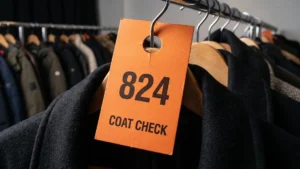
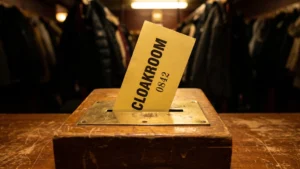
A cloakroom ticket requires two matching sections with identical numbering to guarantee the safe return of personal items. When a guest arrives, a staff member attaches one part of the perforated ticket to the coat or bag and hands the duplicate section to the visitor. This duplicate numbering prevents collection errors and ensures your team handles guest property securely during busy periods.
Using clearly numbered pairs serves as a physical matching tool that removes any ambiguity about item ownership. If a guest loses their half of the ticket, you can use the sequential order of the remaining coats to estimate when they arrived and narrow down a search. A logical numbering flow keeps your cloakroom organised and allows staff to return items rapidly at the end of the night.
Assigning different series to specific use cases
Using distinct numbering series for different offerings improves operational control and prevents guests from using tickets for the wrong purpose. Mapping out your ticket flows logically keeps your systems simple for volunteers dealing with multiple products. Separating these revenue streams ensures your post-event reviews remain accurate.
Admission and entry control
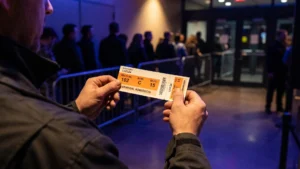
General entry tickets should feature a dedicated numbering sequence that tracks attendance independently from any other purchases. This allows your security team to monitor venue capacity without confusing entry data with internal sales figures. Keeping admission numbers isolated provides a clear picture of exactly how many people walked through the door.
Food and drink redemption
Catering stations operate much faster when staff can quickly identify separate ticket series for meals and beverages. You can assign a specific number block and colour to food tickets, while using a completely different range for drinks. This visual and numerical separation helps staff recognise the correct value instantly and prevents guests from exchanging cheaper tickets for premium items.
School event activities
School fairs frequently rely on volunteers to run various games and attractions across the venue. Issuing a unique number sequence for each specific activity makes it easy to see which games proved most popular. Simple instructions and clearly separated categories help parents and children understand exactly what their tickets cover.
Training staff to work with numbered systems
Your numbering system only works effectively if your team understands how to distribute, check, and record the physical items at their station. Building staff confidence through clear communication reduces human error during shift changes and busy rushes. Provide your team with a straightforward instructional sequence they can reference throughout the event.
- Verify starting numbers: Ask every staff member to check and write down the first number on their ticket roll before they serve any guests.
- Issue in strict order: Instruct your team to hand out tickets sequentially without skipping numbers or pulling from the middle of a stack.
- Record shift handovers: Require volunteers to document the current number on the roll whenever they pass control of a station to another person.
- Handle voided tickets: Teach staff to keep any damaged or voided tickets in a separate envelope so they can account for missing numbers later.
- Complete the closing log: Direct your team to write down the final number remaining on the roll as soon as their station closes.
Reviewing ticket data to improve future planning
Analyzing your recorded numbering data allows you to plan better quantities and smoother operational processes for your next event. By reviewing exactly how many tickets were issued at specific stations, you can identify peak periods and reallocate staff accordingly. Coupon Tickets provides objective information to help you turn these simple tracking numbers into valuable planning insights. Learning from your physical ticket usage ensures your future operations become increasingly efficient and reliable.
How should I set number ranges for multiple sales points?
Assign a distinct number block to each sales point based on expected volume. For example, Point A uses 1001 to 1250, Point B uses 2001 to 2250. Record who holds each block, note the first and last issued number, and keep a small reserve block.
Should I use different number series for admission, cloakroom, and coupons?
Use separate number series for each type. Admission uses a single numbered ticket or stub sequence. A cloakroom needs matching pairs with the same number. Food and drink coupons work best with their own series by value or category. Distinct prefixes and colours reduce mix ups.
How do I handle missing, damaged, or out of sequence tickets?
If a ticket is missing or damaged, mark it void, write down the number and reason, and keep any pieces. If a sequence break appears, pause issuing, check the pad, count what remains, document the gap, and tell a supervisor so reconciliation notes include it.
What is a simple way to record issued, voided, and returned tickets?
Give each range a simple control sheet. At the start, record the range, holder, and opening number. During use, batch count issued tickets and log any voids or returns. At close, record the final number, total issued, and reconcile against stubs or collected sections.
How do I reconcile cash or stock using numbered tickets after the event?
Start with how many tickets could have been issued from each range. Compare that to stubs or redeemed coupons collected. For paid items, multiply redeemed coupons by their value and match to cash or point of sale totals. Investigate differences using your void and missing logs.