The role of colour in clear admission and redemption
When your event enters its busiest periods, your staff need clear visual cues to process guests quickly and accurately. Coloured physical tickets provide an immediate signal that helps volunteers and employees recognise what a guest is entitled to receive. This visual distinction eliminates the need to read small print on every single ticket presented at the door or the bar. You can process queues much faster when a quick glance tells your team exactly what the ticket represents.
Coupon Tickets guides event organisers to view ticket colour as a highly functional tool rather than just a decorative design choice. Treating colour as a practical feature prevents common bottlenecks during admission and redemption. A well-planned colour system reduces the cognitive load on your staff, allowing them to focus on welcoming guests instead of deciphering ticket types. Organising your categories this way supports a smooth, reliable workflow across your entire venue.
Practical methods for assigning ticket colours
Choosing colours logically gives your venue managers order and prevents guest confusion. Assigning specific colours based on clear frameworks ensures your ticket system works seamlessly across different days and monetary values. Random colour choices can frustrate staff and lead to accidental misuse, so you need a structured approach to your categories.
Separating admission tickets by day
Multi-day events require a straightforward way to confirm that a guest holds a valid ticket for the current date. You can assign a completely different colour to each day of the festival or conference to make invalid tickets stand out immediately. This method allows your security team to spot the wrong day at a distance and stop invalid entry before the guest reaches the front of the queue. Keeping the daily colours highly distinct prevents gatecrashers from reusing an old ticket to gain unauthorised access.
Dividing venues into distinct physical areas
Large venues often feature separate zones that require different levels of access, such as general admission areas and VIP sections. Issuing a specific colour for each physical area guides guests to the correct entrance and helps staff manage capacity restrictions. When a guest wanders into an incorrect zone, event personnel can easily spot the mismatched ticket colour and redirect them. This simple visual sorting method keeps foot traffic flowing smoothly and maintains order across complex venue layouts.
Matching colours to specific food and drink values
Managing catering at busy events becomes much easier when you match distinct ticket colours to specific monetary values or product types. You might use one colour for soft drinks, another for alcoholic beverages, and a third for hot meals. This clear separation speeds up service because bar staff do not need to read the text on every voucher during a rush. A consistent colour system also makes it much simpler to reconcile the collected tickets and calculate food sales at the end of the night.
Why colour alone cannot guarantee a smooth process
While a colour-coded system speeds up admission, relying entirely on visual recognition introduces operational vulnerabilities. Poor venue lighting can easily distort colours, making a blue ticket look identical to a green ticket under dim event spotlights. Staff fatigue also plays a role during long shifts, as tired eyes might fail to notice subtle shade differences. Anticipating these real-world pitfalls ensures your ticketing system remains robust even when conditions are less than ideal.
You must also consider that a portion of your guests and staff may have visual impairments or colour blindness. If your system depends only on colour, these individuals will struggle to distinguish between different ticket categories and face unnecessary confusion. Coupon Tickets provides objective information to help you address these vulnerabilities directly and honestly. Building a foolproof system means you must combine your colour strategy with other clear indicators to guarantee accessibility for everyone.
Backing up your colour choices with wording and numbering
To create a truly reliable system, you need to add secondary verification methods that support your initial visual cues. Adding text and numerical data provides redundancy, which empowers school administrators and event planners to verify tickets accurately in any situation. This layered approach ensures that if the colour is difficult to see, your staff always have another way to confirm the ticket’s validity.
Adding bold wording for quick reading
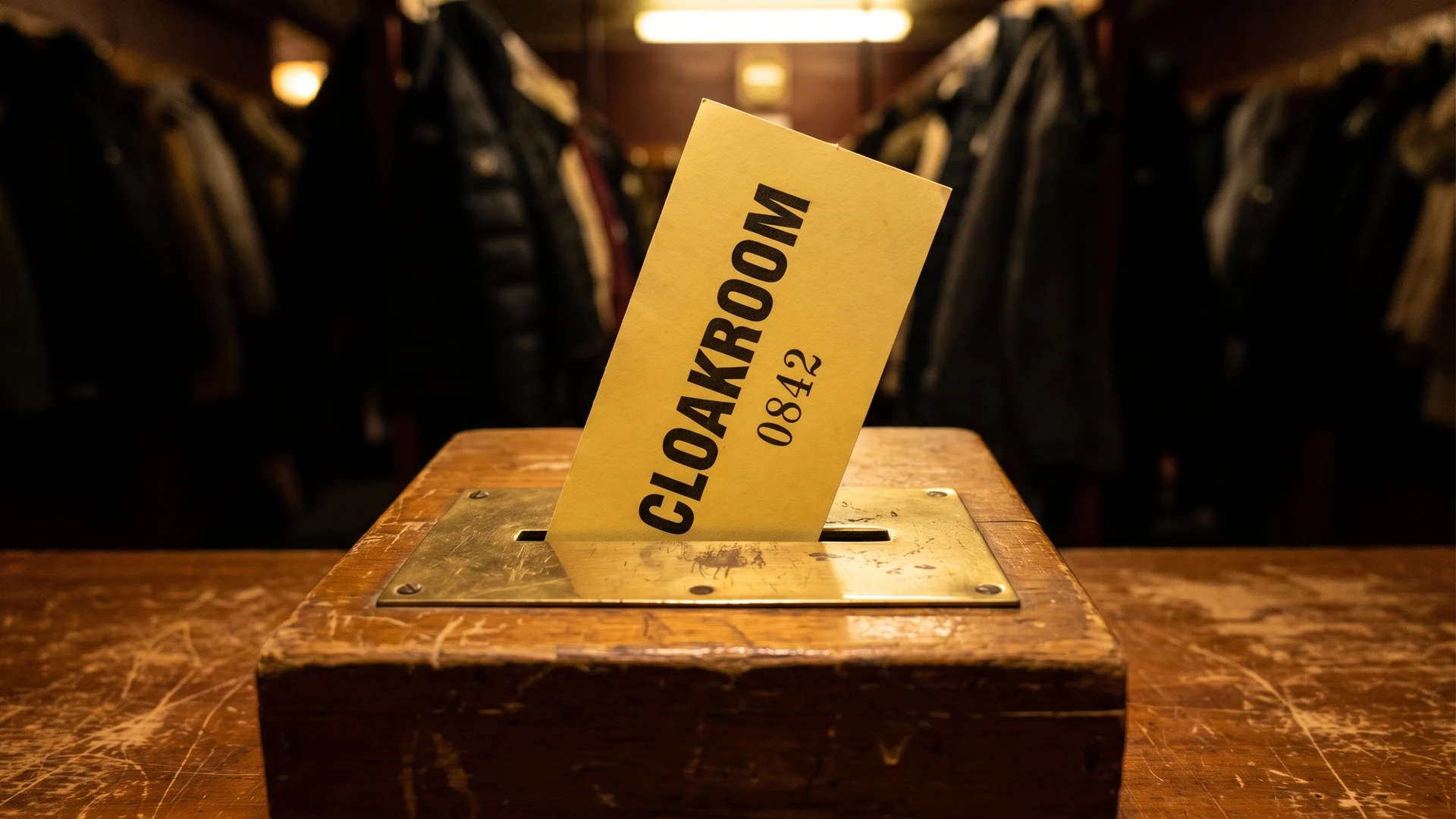
Printing large, bold text on your physical tickets gives your staff an immediate backup to the colour coding. Clear wording should explicitly state the ticket’s purpose, such as ‘ADMISSION’, ‘CLOAKROOM’, or ‘ONE DRINK’, to remove any ambiguity at the point of exchange. This explicit labelling helps volunteers who might forget the colour system during a sudden rush of visitors. Bold text guarantees that anyone handling the ticket can instantly understand its value and process the guest without hesitation.
Using sequential numbering for tracking and security
Sequential numbering gives every ticket a unique consecutive number within a defined series. This feature allows your team to track exactly how many tickets were issued and helps identify fraudulent copies if numbers appear out of sequence. When a guest hands over a numbered cloakroom ticket, the member of staff matches it with the corresponding number attached to the item before returning it. Numbering also makes it much easier to reconcile totals and investigate discrepancies after the event concludes.
Establishing a sequence for checking coloured tickets
Turning a well-planned ticketing strategy into a reliable physical process requires a step-by-step workflow for handling the tickets. You need to provide your event staff and volunteers with a concrete sequence for checking items at the point of exchange. Standardising this physical handling process ensures that every guest is treated consistently and reduces the chance of errors. Follow these practical steps to establish a secure and efficient checking routine.
- Visual inspection: The staff member first checks the ticket colour to identify the category instantly as the guest approaches. This initial glance allows the team member to prepare for the specific request, whether it involves opening a gate, fetching a coat, or pouring a drink. Confirming the colour immediately rules out obvious mismatches, such as a guest presenting a drinks voucher at the cloakroom.
- Secondary verification: Once the ticket changes hands, the volunteer reads the bold wording and sequential number to confirm validity. This step acts as a backup to the visual inspection and ensures the ticket belongs to the correct day or zone. Taking a moment to verify the printed details protects the event from counterfeit tickets and honest guest mistakes.
- Physical redemption: After confirming the details, the staff member must invalidate the ticket to prevent it from being used a second time. They can achieve this by tearing the ticket, removing a perforated section, or placing the entire item into a secure collection box. Completing this physical exchange signals the end of the transaction and authorises the guest to receive their item or access.
- Secure storage: Collected tickets must go immediately into a designated container rather than being left loose on a table or bar. Keeping the redeemed tickets secure maintains a clean workspace and removes the risk of them re-entering circulation. Proper storage during the event also makes the final reconciliation process much easier when it is time to count the totals.
Preparing your team to use the ticket system
Even the most logical physical tickets require an informed team to work effectively on the day of the event. Before the doors open, you must communicate the exact meaning of each ticket colour, format, and numbering system to all staff members. Giving your team clear instructions builds their confidence and ensures your careful planning translates into a successful experience. When everyone understands the system fully, you can trust that queues will move efficiently and guests will receive exactly what they paid for.
How do I choose ticket colours that work for colour-blind guests?
Choose high contrast colours and avoid pairing red with green. Print clear wording, large bold numbering, and a simple icon so staff never rely on colour alone. Test samples in black and white to spot weak contrast before you commit. Patterns like stripes or shapes can add another visual cue.
What is a good way to assign colours across an event?
Base your scheme on the decision staff make at each checkpoint. Use one colour per day, per zone, or per ticket value, and keep the set of colours small. Add a short printed code, for example D1 or Z2, so colour and text work together.
How should I back up colours with wording and numbering?
Back up colours with clear wording, such as Day 2, Zone B, or Drink Medium. Print a large sequential number and a short prefix, which is a letter before the number, like B for bar. If you include a perforation, a small tear line, repeat key details on both parts.
Which print approach makes colours easiest to spot on tickets?
For visibility, coloured stock gives a solid colour edge and colour on both sides. Printing colour on white can look crisp but may show white edges and relies on ink coverage. Use dark text for strong contrast and a matte, non shiny finish to reduce glare.
How can I help staff use colours quickly during checks and redemption?
Give staff a simple legend at each point of use and a quick script for checks. Bundle or display sample tickets by colour near the station. Keep wording and layout consistent across types so eyes land in the same place.