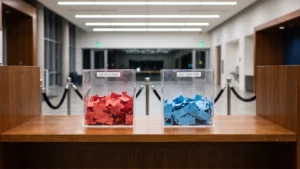
Event professionals frequently analyze operational methodologies to optimize revenue streams, often leading to inquiries regarding what are drink tickets and their functional role. These prepaid systems centralize transactions, thereby decoupling payment from service delivery. The following analysis outlines the mechanics, strategic advantages, and deployment protocols for ticket-based solutions in diverse venue environments.
What are drink tickets and how do they function?
Drink tickets operate as an internal currency within event ecosystems, designed to expedite beverage service. Rather than processing direct transactions at the bar, patrons acquire tokens or vouchers at dedicated entry points. This separation allows bar personnel to prioritize fulfillment over fiscal processing. From an operational standpoint, this model alleviates bottlenecks during peak hours, creating a streamlined workflow where sales volume is tracked centrally, reducing cash handling responsibilities for service staff.
Key advantages of using drink tickets at events
Adopting a ticket-based framework delivers distinct operational efficiencies that address common logistical challenges. By restructuring the transaction process, organizers can mitigate issues surrounding service latency and financial discrepancies.
- Faster bar service: Service staff can dispense beverages immediately upon ticket receipt, significantly decreasing the interaction time per guest.
- Centralized cash handling: Revenue collection is consolidated to limited stations, minimizing the number of personnel managing funds and mitigating theft risks.
- Reduced technical reliance: Service points operate independently of multiple card terminals or stable internet connectivity.
- Improved inventory tracking: Physical ticket counts offer a reliable metric for auditing stock depletion against recorded sales.
- Simplified pricing structures: The use of tickets facilitates flat-rate pricing models, accelerating consumer decision-making and transaction speed.
Common types of drink tickets and formats
The format of a drink ticket should align with the event’s scale, budget, and operational environment. Selecting an appropriate medium—secure and auditable—is critical for venue management.
Standard paper rolls and vouchers
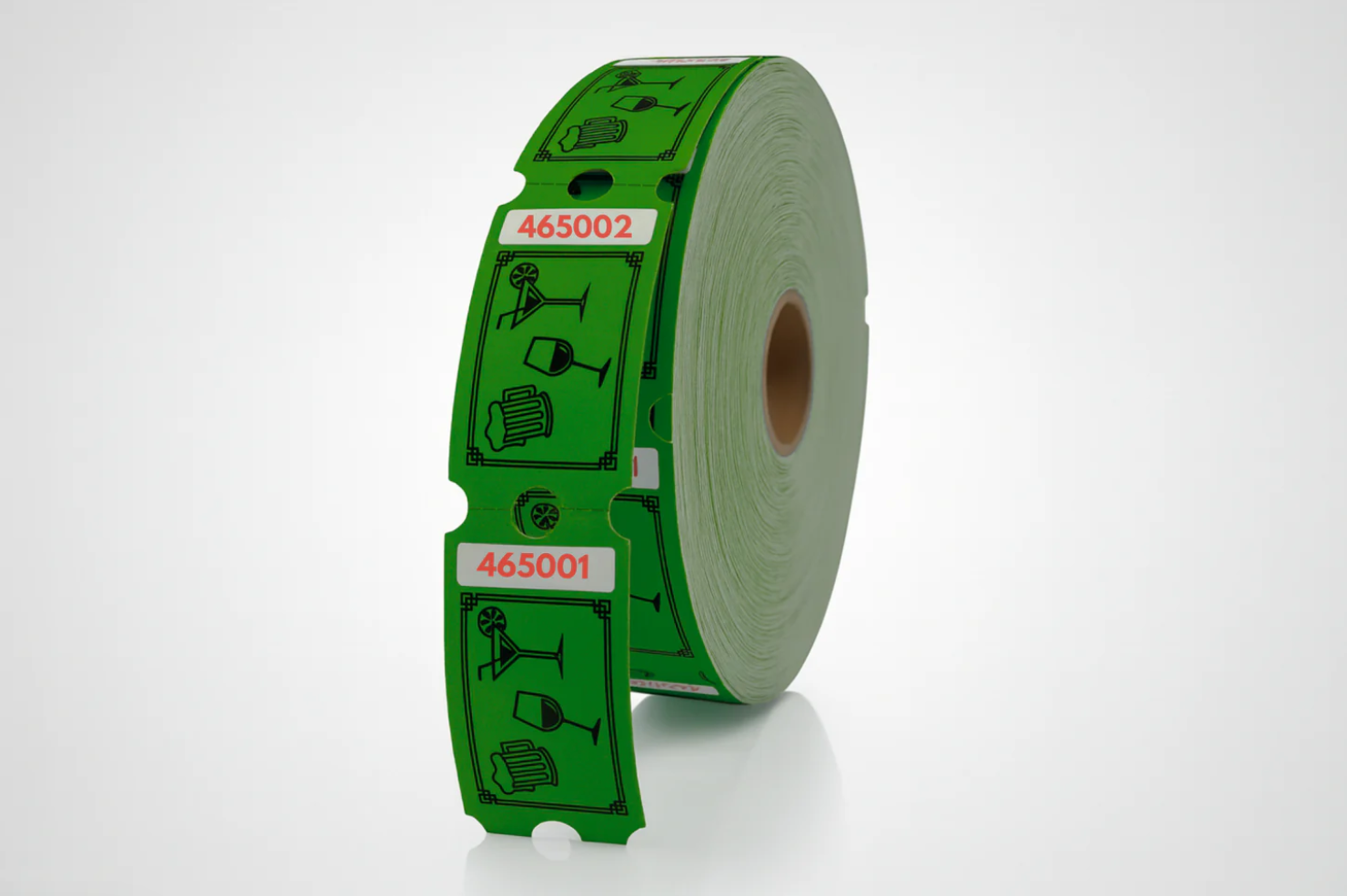
Paper vouchers represent the traditional, cost-efficient standard for temporary engagements. Typically distributed in numbered rolls, these facilitate straightforward sales audits at shift intervals. Such vouchers are particularly suited for single-use environments like festivals. To deter duplication, these often incorporate serial numbers or holographic elements, though their susceptibility to moisture remains a consideration for outdoor logistics.
Reusable plastic tokens and coins
Plastic tokens provide a durable solution for recurring events, offering sustainability for venues with ongoing programming. Their rigid construction is compatible with mechanical counting systems, expediting post-event reconciliation. Furthermore, tokens can be branded for marketing purposes, functioning as durable guest mementos.
Digital ticketing solutions
Technological advancements have integrated drink tickets into RFID wristbands and mobile applications. This approach requires guests to pre-load credit, redeeming beverages via scanning devices. While involving higher initial infrastructure investment, digital solutions yield granular data insights regarding purchasing behaviors, proving essential for large-scale operational analysis.
Steps to implementing a drink ticket system
Effective deployment of a ticket system necessitates strategic planning prior to event commencement. Organizers must define a workflow that supports both sales and service teams.
- Determine pricing strategy: Establish whether a ticket represents a specific item or monetary value, ensuring the structure remains intuitive for clientele.
- Set up sales stations: Locate ticket kiosks strategically—typically near entry points or distinct from bar areas—to manage crowd flow and prevent bottlenecks.
- Train the staff: Verify that bar personnel understand ticket equivalencies and that sales teams are proficient in processing bulk transactions.
- Establish a reconciliation process: Implement a protocol for auditing collected tickets against revenue intake to ensure financial accuracy.
Improving revenue control and reducing waste
A primary driver for adopting drink tickets is the enhancement of revenue security. Direct cash handling at the bar introduces risks of calculation errors or inventory shrinkage. By centralizing payments, every dispensed beverage corresponds to a physical or digital record, minimizing unauthorized distribution. Additionally, this system strengthens inventory management; discrepancies between collected tickets and stock usage allow management to swiftly identify operational inefficiencies, ensuring profit margins remain protected.
Is a drink ticket system right for your venue?
The suitability of a drink ticket system is contingent upon the event’s scope and format. While high-volume environments like concerts and nightclubs benefit from the increased speed and security, intimate or premium settings may find the approach less aligned with the desired guest experience. Operators must evaluate the trade-off between operational velocity and service atmosphere to determine if this model supports their strategic objectives.
FAQ about drink tickets
How do drink tickets work at events?
They function like controlled currency for the bar. Guests receive or purchase tickets, present them to bartenders, and each is scanned, stamped, or torn on redemption. Typically one ticket covers a standard drink; premium pours may require two, per event rules and laws.
How can organizers control bar spend effectively?
Use capped entitlements such as tokens or digital drink credits to control bar spend. They limit per-guest consumption, standardize pricing, and speed service. Combine with responsible-service policies, water availability, and reporting to forecast demand, reconcile sales, and manage sponsor inclusions.
Can drink tickets be digital or app-based?
Yes. Drink tickets can be issued digitally via QR codes, apps, or RFID wristbands. Digital issuance enables real-time limits, anti-fraud controls, and better reporting. Plan for offline fallback, staff training, device charging, and privacy compliance to keep service reliable during peak periods.
What are typical refund and transfer rules for prepaid bar access?
Policies vary by event and venue. Prepaid bar access is often non-refundable, non-replaceable if lost, and non-transferable or limited to named guests. Resale is typically prohibited by terms and local law. Always review the event’s rules before purchase, distribution, or redemption.