Planning physical event tickets for different price tiers
Organizing distinct price tiers gives your attendees flexibility, but it also creates operational demands at the entrance. If you use identical physical tickets for both early bird purchases and full-price walk-up sales, your staff cannot easily verify who paid which amount. You must plan separate ticket batches for each price category to manage this logistical task effectively. Creating clear physical differences between these tiers ensures that your front-of-house team can confidently process admissions without stopping to investigate individual purchases.
Marking physical event tickets for quick visual checks
Your entrance staff operate under pressure during peak arrival times, making instant recognition of ticket types a priority. Designing or marking physical tickets with distinct visual cues prevents delays and keeps the admission process moving smoothly. Implementing these simple design choices ensures your front-of-house team does not have to study small print while guests wait.
Assigning distinct colors to each tier
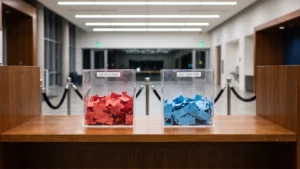
Color coding provides the fastest visual signal for your team checking admissions at the door. You can allocate a specific background color to early bird tickets and a completely different shade to last minute purchases. This stark contrast means volunteers do not have to read small print to know which category a guest belongs to, immediately reducing bottlenecks.
Adding clear text labels for the price category
While colors help with quick identification, you should also include clear text labels to prevent any confusion. Printing the specific price category directly on the face of the ticket supports staff members who might struggle with color differences or work under poor lighting conditions. Bold text stating the exact tier ensures everyone understands the ticket value without requiring complex interpretation.
Using physical stamps for last minute upgrades
Sometimes guests arrive holding a lower-tier ticket but need to pay an upgrade fee at the door. You can use a physical stamp, applying a visible ink mark over the original ticket face, to authorize this change instantly. This simple manual process avoids the need to print entirely new tickets on the spot while still leaving a clear record of the transaction.
Tracking ticket sales across different price categories
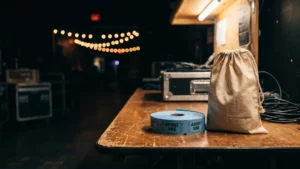
Monitoring your inventory and expected revenue requires separating your physical tickets into distinct batches before sales begin. You achieve this by assigning a unique numbering sequence to each price category, ensuring every ticket carries a specific sequential number. Sequential numbering gives every ticket a unique number within a defined series, which creates a traceable record of exactly how many items leave your possession. When you know that early bird tickets occupy one block of numbers and standard tickets occupy another, you can track sales progress accurately.
Maintaining these separate records provides a reliable administrative process for school administrators and local event organizers. Your team simply logs the starting and ending serial numbers for each batch sold during the pre-event period. This structured approach means you do not have to rely on complicated software to know your exact financial position before the doors even open. Clear documentation of these numbering sequences establishes a strong foundation for managing your cash flow and event capacity.
Handling multiple ticket types at the entrance
Processing multiple ticket types at the door requires a clear training sequence to build staff confidence and reduce mistakes. You can prepare your volunteers by walking them through a straightforward chronological process for checking and collecting physical tickets. Providing clear steps ensures everyone handles early and late price tiers consistently throughout the event.
- Visual verification: Train your staff to immediately identify the ticket color and bold text label as the guest approaches the entrance. Volunteers should match this visual cue against a reference sheet that displays all acceptable price tiers for the current event. This initial check confirms the ticket belongs to the correct batch and prevents fraudulent or outdated items from entering the venue.
- Sequential validation: Once the staff member confirms the color and text, they must quickly check the sequential numbering on the ticket face. They should ensure the serial number falls within the documented range allocated for that specific price category. Spotting numbers outside the recorded sequence helps your team catch discrepancies early and maintain strict control over admissions.
- Collection and tearing: Staff should tear the physical ticket along its perforated edge to mark it as used and prevent it from being handed back to someone outside. A perforated edge is a row of small holes punched into the paper that allows it to tear cleanly and easily. The team retains the designated stub and returns the remaining portion to the guest, securing the used stubs in a designated lockbox.
- Managing upgrades: If a guest presents an early bird ticket after the valid time period, staff must guide them to a separate payment line. The cashier processes the price difference and applies a physical stamp to the ticket to authorize the late entry. The guest then returns to the main queue with their clearly marked ticket, allowing the entrance team to admit them without further delay.
Reconciling tiered ticket usage after the event
Closing the loop on your event management process requires counting the collected physical tickets and matching them against your initial sales records. Your team should empty the collection boxes and sort the retained ticket stubs into separate piles based on their color and text labels. Once sorted, staff count the stubs in each pile and compare the final tally to the recorded numbering sequences for that specific tier. This direct comparison verifies actual attendance figures against the number of tickets sold, highlighting any discrepancies immediately.
A well-structured physical ticket system simplifies this final reconciliation without relying on complex software or digital scanning equipment. Facility managers can easily audit the separate records for early bird discounts, standard sales, and last minute upgrades to ensure all revenue is accounted for. Any missing numbers or unexpected extras prompt a focused review of the handling procedures used at the entrance. This post-event accountability gives you the objective knowledge needed to improve your ticketing strategy for future gatherings.
What is the best way to show early bird and last minute prices on an event ticket?
The clearest approach is to make the price unmistakable at a glance. You can print two versions with distinct colour and wording, or one layout with a bold Price paid field. Separate versions reduce debate at the door, while a single layout simplifies printing.
How can door staff quickly confirm which price a ticket was sold for?
Give staff visible cues they can spot in a second. Use a distinct colour block or stripe, a bold Early bird or Last minute label, and a unique numbering series. Group the cue near the ticket title and price so staff do not need to search.
What numbering structure helps me track sales by price?
Use sequential numbering with separate ranges for each price. Sequential numbering means every ticket has a unique number in order, which lets you record a start and end for each book. Note the range issued to each seller and keep ranges distinct for easy reconciliation.
Should I include a tear off stub to record entry at the door?
Add a tear off stub if you need a physical record of each entry. A stub is a small section that tears along a perforation, a line of tiny holes that makes tearing clean. Print the price, series, and date on the stub for faster counting.
How do I reconcile early bird and last minute sales after the event?
Reconcile by series. Count collected stubs, the small tear off sections, for each price, then compare totals with the start and end numbers you issued. Add any unsold tickets to your count and multiply by price, then resolve gaps with your team’s notes.