Understanding perforated event tickets
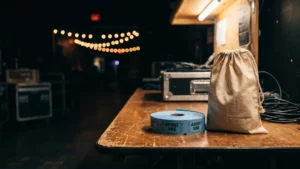
Perforated event tickets feature a built-in line of tiny holes that allows your team to tear off a section easily and cleanly. This physical format creates a detachable stub that guests can exchange for an item or service while retaining the main body of the ticket. Choosing this approach solves multiple logistical challenges without requiring you to print and distribute separate physical tokens for every entitlement. Your staff can simply tear the ticket at the gate or service point, which keeps the process fast and straightforward for everyone involved.
Common uses for detachable ticket sections
A tear-off stub provides immediate operational value across several areas of your event or facility. You can apply this format to different situations where you need to track usage or grant access efficiently. Understanding these practical applications helps you maximize the utility of your physical tickets.
Managing re-entry at the gate
When guests need to leave and return to an event, a detachable stub offers a physical proof of their initial admission. Your gate staff can remove the stub upon first entry and return the main ticket body to the visitor. The guest then presents the main ticket body later to confirm they have already paid or checked in.
Distributing food and drink entitlements
You can simplify your catering operations by using a multi-part ticket that includes specific tear-off sections for meals or beverages. Guests hand over the relevant section at the food stall, and the serving staff retain the stub as proof of exchange. This method prevents confusion during busy service periods and stops guests from claiming more items than they purchased.
Running simple prize draws
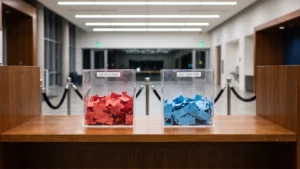
A perforated ticket works perfectly for simple prize draws and raffles at school fairs or community events. You give the guest one half of the ticket and place the matching detachable stub into the collection box. Drawing the physical stub ensures a fair process and allows you to call out the winning number clearly.
Deciding when to add a detachable section
You need to evaluate the operational trade-offs between a basic single-part ticket and a multi-part perforated ticket before placing an order. A single-part ticket works well for simple admission where guests enter once and do not require any additional services. Adding a detachable section becomes necessary when your event involves re-entry, cloakroom storage, or the redemption of specific items. You must consider whether the added functionality justifies the need to train your staff on how to handle the two parts correctly.
Introducing a multi-part ticket requires clear communication with your front-line workers to prevent mistakes at the gates. Your team needs to know exactly which part to tear off, which part to keep, and which part to hand back to the visitor. Choosing the right format balances your functional needs with the reality of training volunteers or temporary event staff. A straightforward system ultimately prevents unnecessary complexity and helps your event run without stressful interruptions.
Process for managing admission and re-entry
You can keep queues moving rapidly and prevent unauthorised access by establishing a clear chronological sequence for your gate staff. Following a concrete procedure ensures that every team member handles the tickets consistently during busy arrival times. This simple routine protects your event and builds confidence among your front-line workers.
- Check the ticket: The staff member inspects the physical ticket to confirm the date, event details, and overall validity. This initial visual check ensures the guest has arrived at the correct gate. It also allows the team to spot any obvious issues before proceeding.
- Tear the section: The team member carefully tears along the perforation line to separate the admission stub from the main ticket body. Using a gentle pulling motion prevents the paper from ripping unevenly. This action permanently validates the entry.
- Retain the stub: The staff member drops the detached stub into a secure collection box to record the entry. Keeping these stubs safe is essential for your post-event auditing process. The box should remain closed until the end of the shift.
- Return the main body: The gate worker hands the remaining part of the ticket back to the guest for them to use for re-entry later. Clear communication at this stage reminds the visitor to keep the ticket safe. This final step completes the arrival transaction.
Reconciling collected stubs after the event
Retained physical ticket sections help you track accurate attendance numbers and audit consumption once your event concludes. Venue managers can empty the collection boxes and count the physical stubs to see exactly how many guests passed through the gates. This manual counting process gives you reliable data on peak arrival times and overall crowd size. You can evaluate the success of your event using these concrete numbers instead of relying on rough estimates.
You can also use the collected tokens to simplify financial reconciliation for food and beverage sales. Counting the redeemed meal or drink stubs allows you to verify the inventory used by your catering team. This straightforward administrative duty ensures accurate, stress-free reporting without forcing your staff to learn complex software platforms. Gathering these physical records protects your revenue and provides a clear audit trail for your records.
Essential design elements for perforated tickets
A detachable section must feature specific physical and functional attributes to work smoothly in practice. You need to know exactly what material specifications and layout details to request when organising your printed items. Getting the design right prevents the paper from tearing accidentally in a guest’s pocket. These essential elements ensure that your tickets remain durable while still being easy for your team to process.
Placing the perforation correctly
The placement of the perforation line dictates how well the cardstock handles stress and pulling forces. Placing the line too close to the edge weakens the overall load capacity and often causes premature tearing during normal handling. You should leave a wide margin of solid cardstock between the edge and the start of the perforation.
You must also specify the correct Teeth Per Inch, commonly referred to as TPI, to ensure smooth tearing. A higher TPI creates more micro-cuts along the paper edge, which allows your event staff to tear the stub quickly with a light touch. A lower TPI leaves fewer cuts and thick paper tabs, forcing your team to pull hard and potentially ripping the tickets crookedly. Specifying a higher TPI ultimately keeps your entry lines moving faster.
Matching sequential numbers across sections
Sequential numbering gives every ticket a unique number within a defined series, and this number must appear on both parts of the ticket. Printers synchronize these numbers across multiple sections using mechanical rotary numbering heads and cam-actuated strike mechanisms that time directly to the main drive shaft. As the paper feeds through, these mechanisms advance the numeric sequence while stationary wheels place perforations at fixed distances.
This manufacturing process guarantees that the tear line falls consistently beside the designated printed numbers. Matching the numbers precisely ensures that your team can always connect a detached stub back to its original main body. This synchronization is particularly important when you need to match cloakroom items securely or investigate discrepancies.
Using clear wording on both parts
For audit purposes, both the stub and the main body of the ticket must display matching core tracking and financial details. You must include the unique serial number, the exact date and time of the event, and the specific monetary value on both sections. Printing the event identification code and any location data, such as a gate or seat assignment, helps staff direct guests properly. Mirroring this vital information ensures that the detached stub retains its value as an accurate record of the transaction.
Steps for redeeming meal entitlements
You can speed up the redemption process during busy service periods by providing a clear operational sequence for your food and beverage staff. Empowering your event volunteers with step-by-step physical handling instructions reduces mistakes and keeps the service lines moving. A structured approach ensures that every guest receives their items quickly and fairly.
- Confirm the item: The staff member reads the wording on the ticket to verify exactly which meal or drink the guest has selected. This quick visual confirmation prevents volunteers from handing out the wrong items. It ensures that every visitor receives exactly what they paid for.
- Detach the stub: The volunteer tears off the specific food or drink section while leaving the rest of the ticket intact for the visitor. Handling the ticket carefully protects any remaining entitlements on the cardstock. The guest can then put the rest of the ticket back in their pocket.
- Secure the stub: The team member places the detached section into a designated cash drawer or collection box immediately. Securing the token right away prevents it from getting lost or mixed up on the counter. This discipline keeps your service area tidy and accountable.
- Deliver the food: The staff member hands the requested meal to the guest and returns any remaining ticket parts. Offering a polite greeting at this moment creates a welcoming atmosphere. The transaction concludes cleanly, and the volunteer can serve the next person in line.
Simplifying the experience for staff and visitors
Choosing practical, right-sized ticket systems ensures that your chosen format prioritizes ease of use for both your workforce and your guests. Physical tickets serve as reliable logistical tools that help you manage entry, cloakrooms, and food distribution without adding unnecessary administrative burdens. Providing clear instructions and straightforward ticket designs empowers your team to handle crowds confidently. When you balance functional needs with simple operations, your entire event runs smoothly from the first arrival to the final reconciliation.
When should I use a detachable section for re entry?
Use a detachable section for re entry when you need a simple audit trail at the gate. It works best with fixed entry points and moderate crowds. Staff keep the stub on first entry. The guest shows the numbered main ticket to return later.
What should appear on both the stub and the main ticket for audit and reconciliation?
Print the same core data on both parts. Include the serial number, event name and date, price or value, and any zone, seat, or gate. Add a barcode, which is a machine readable code, for quick checks. A small security mark that crosses the perforation helps prevent swapping.
Where should the perforation sit to avoid accidental tears?
Place the perforation away from edges and high stress areas. Keep a generous margin of solid cardstock before the tear starts. Stop the line short of both ends to leave tiny uncut bridges. Align it with the paper grain, the fiber direction, for cleaner tears.
How do I choose the right perforation strength for fast but controlled tearing?
Match perforation strength to speed and handling. Teeth per inch, or TPI, is how many tiny cuts sit in one inch of the line. Higher TPI, around 8 to 12, tears easily and speeds entry. Lower TPI, around 2 to 4, resists accidental tears during transport.
How can one ticket support re entry and a meal entitlement without causing confusion?
Use two clearly labeled detachable sections on one ticket. Collect the re entry stub at first entry and let the guest keep the main ticket and the meal or draw stub. Redeem the meal by tearing its stub and marking the main ticket. Keep matching serial numbers on all parts.