Matching your ticket pricing to visitor flow
Every pricing decision you make requires a corresponding physical action at your event entrance. If you offer five different entry prices, your door staff must manage five separate rolls of admission tickets while calculating different change amounts for each visitor. This complexity slows down the entry process and increases the chance of errors during busy periods. Planning your pricing model around the physical handling of tickets ensures that your team can process guests quickly and safely.
Using simple fixed pricing to keep queues moving
A single fixed price for all attendees is the most efficient way to manage physical ticket sales at the door. When every visitor pays the exact same amount, your staff only need to manage one roll of tickets and one standard cash exchange. This straightforward approach removes the need for operators to ask questions, check identification, or calculate complex change. Cashiers can complete each transaction in seconds, which keeps the queue moving steadily even when large crowds arrive at once.
Reducing the number of physical ticket formats also simplifies your inventory management before the event begins. You do not have to guess how many child, adult, or concession tickets to order, because a single general admission ticket covers everyone. Staff training takes only a few minutes when volunteers only need to tear off one ticket type for every guest. This simple setup creates a calm environment for your team and a welcoming first impression for your visitors.
Managing different arrival times with tiered pricing
Offering early entry or late entry pricing helps you spread out arrival times, but it requires careful physical ticket management. Your door staff need clear ways to distinguish between different time-based tickets to ensure guests enter at the correct time. Planning these visual differences in advance keeps your entrance secure and efficient.
Using colour coding for visual ticket verification
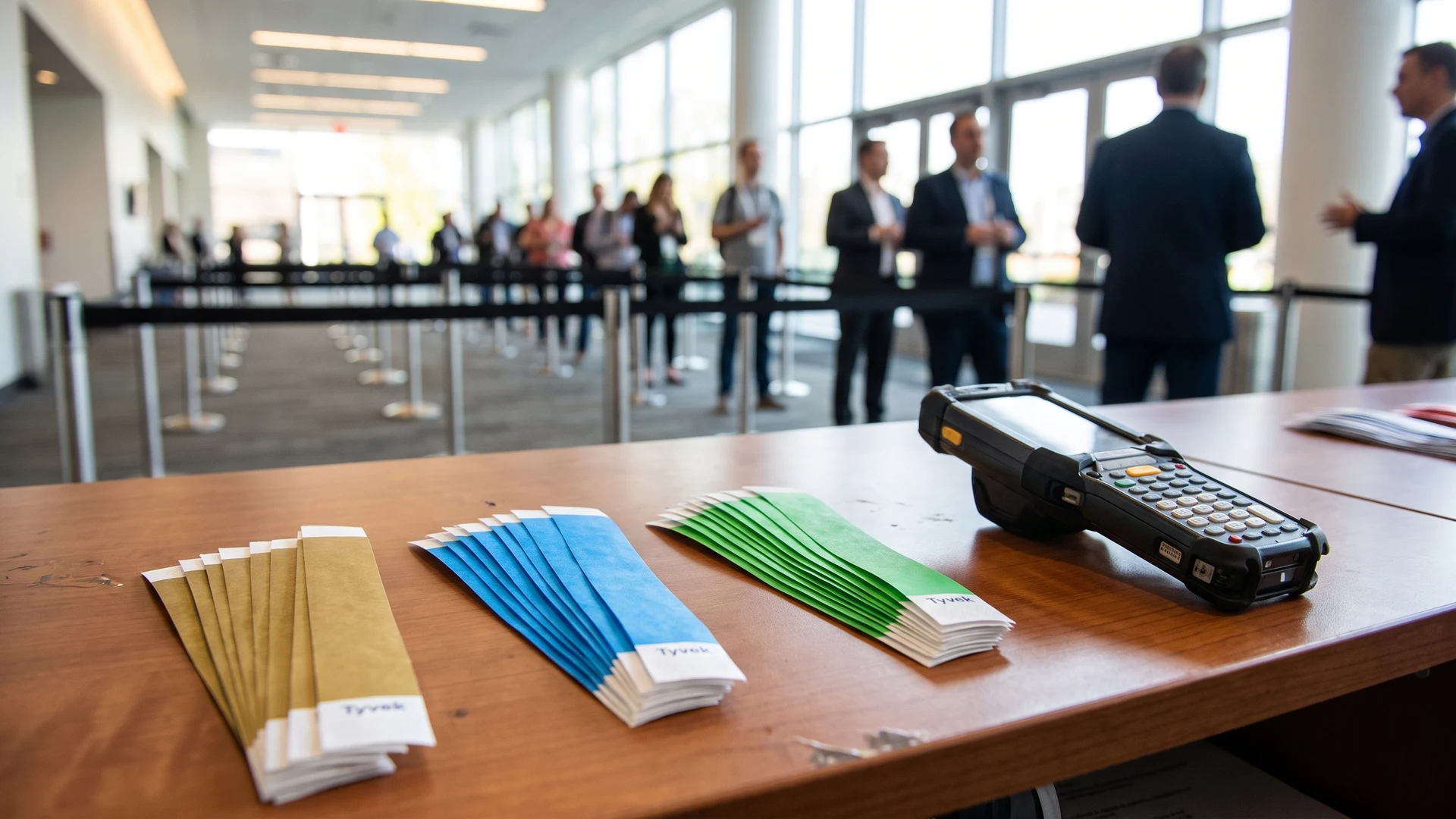
Assigning a distinct colour to each ticket tier provides an immediate visual cue for your entrance staff. A bright green ticket might represent early entry, while a blue ticket indicates standard admission. When volunteers can verify validity with a quick glance at the colour, they do not have to stop and read the small print on every physical ticket. This visual system speeds up the validation process and helps staff spot anyone trying to enter outside their designated time slot.
Managing staff rotation during peak entry periods
Tiered pricing often creates distinct waves of arrivals as different time allocations begin. You should plan your staff breaks and shift rotations around these predictable surges to maintain a fast entry flow. Having extra volunteers ready just before a new time tier opens prevents bottlenecks when hundreds of guests present their physical tickets at the same time. Once the rush subsides, you can reduce the number of active ticket checkers and reassign staff to other duties.
Handling family groups through bundle pricing
Offering a discounted family pass or group bundle requires you to think carefully about how you distribute physical tickets at the door. If you print a single group ticket, the entire party must arrive and enter the venue at the exact same time. This single-ticket method is fast to issue, but it can cause problems if family members get separated or need to use the cloakroom independently. You must weigh the speed of issuing one ticket against the flexibility your guests might expect.
Alternatively, your staff can hand out individual admission tickets for each person in the group while charging the bundled price. This takes slightly longer at the checkout, but it gives each guest their own physical coupon to hold. Issuing individual tickets ensures your total ticket count accurately reflects the number of people inside the venue. Whichever method you choose, make sure your door team understands exactly how to process bundle payments and hand out the corresponding tickets.
Preparing for walk-in visitors and cash payments
Walk-in sales demand a fast and accurate cash handling process to prevent long queues from forming. When you accept money at the door, your ticket pricing and issuance methods must support quick transactions and secure accounting. Streamlining these steps protects your revenue and keeps your entrance running smoothly.
Setting prices for simple change return
Price rounding is essential for high-volume cash ticket sales because it eliminates the need to handle small coins. Setting your ticket prices to round increments, such as whole dollars, allows cashiers to make change much faster. This simple adjustment removes the penny problem and significantly reduces human error in mental math during busy periods. Faster service lets your team handle more buyers in less time, which directly improves the transaction speed of walk-in sales.
Issuing tickets quickly at the door
The speed of your walk-in sales depends heavily on the payment methods you accept and the physical layout of your ticket rolls. Cash transactions naturally require manual counting, which means your staff need a well-organised till and easy access to the correct tickets. Removing excess ticket options prevents decision fatigue and helps cashiers complete the exchange without asking unnecessary questions. A clean, simple workspace ensures that visitors receive their physical tickets and change promptly.
Reconciling cash against ticket numbers
Sequential numbering provides a strict audit trail that links physical ticket stubs directly to the cash collected. To perform a cash reconciliation, you log the opening and closing serial numbers of your ticket rolls and subtract any voided tickets. Subtracting the starting number from the ending number gives you the exact count of tickets sold, which you then multiply by the ticket price to determine expected revenue. Finally, you subtract your starting change fund, or float, from the drawer to find your net cash and compare it against your expected ticket sales.
Planning your physical ticket allocation process
Mapping out your physical ticket allocation step by step helps you determine exactly what your staff will need on the day. Follow this sequence to evaluate if your pricing model is practical for your entrance team to handle.
- Step 1: Start by listing every different price point and entry category you intend to sell. This complete overview reveals exactly how many distinct physical ticket rolls your staff will have to manage simultaneously. Keeping this list short reduces confusion and keeps your checkout area organised.
- Step 2: Estimate the expected visitor volume for each specific ticket category based on past events. Calculating these numbers helps you order the correct quantities from your supplier. This preparation prevents you from running out of popular admission tickets during a sudden rush of arrivals.
- Step 3: Assign a unique colour or design to each pricing tier for easy visual identification. Distinct colours allow your entrance team to verify valid tickets instantly as guests walk through the door. This visual system removes the need to inspect the text on every single stub.
- Step 4: Review the cash handling requirements for your chosen prices before confirming the final amounts. Ensure that the pricing allows for simple change return so your volunteers are not struggling with small coins. Rounding your prices to whole numbers makes the actual physical transaction much faster.
- Step 5: Conduct a practical run with your door staff using the physical tickets and a standard cash float. This hands-on training confirms that your team can process the payments and issue the correct tickets without hesitation. Resolving any bottlenecks during practice ensures a smooth experience on the actual day.
Training staff to handle complex ticket pricing
The more complicated your ticket pricing model is, the more training your entrance team will require. Volunteers at school fairs or community events often feel overwhelmed if they have to navigate multiple ticket types, special discounts, and complex change calculations. Providing clear, written instructions helps your staff understand exactly which physical ticket corresponds to each entry price. You should also display a visual guide at the checkout desk showing the correct ticket colour for every payment category.
Practical training sessions give your team the confidence they need to handle busy periods without making mistakes. Ask your staff to practice tearing off tickets, handing back change, and explaining the entry rules to mock visitors. This hands-on preparation ensures that volunteers know how to handle bundles, concessions, and unexpected questions. When your team feels comfortable with the physical tickets and the pricing structure, your entire event runs more smoothly.
Finalising your ticket pricing and distribution plan
Balancing your financial goals with operational reality is the key to a successful event entrance. Every pricing tier you add creates an extra physical task for your staff, so you must weigh the benefits of flexible pricing against the speed of admission. If you need further guidance, the educational resources at Coupon Tickets provide practical frameworks for managing these door operations. Careful planning ensures that your physical ticket distribution supports a welcoming and efficient experience for every guest.
How does pricing complexity affect queue length at the entrance?
It usually slows lines as choice increases. A single fixed price is quickest because staff make no lookups and visitors decide fast. Bundles for common group sizes can still move quickly. Multiple tiers require explanations and price checks, which lengthen each transaction.
What pricing approach works best for families or groups?
Bundle pricing means one combined price for several admissions. Bundles that match common group sizes cut decisions and cash handling. A family package priced in whole dollars lets one person pay once and receive the right number of tickets. Add a simple add-on ticket to cover extra people.
How should we set cash prices to speed walk-in sales?
Use price rounding, which means setting tidy amounts that do not require small coins. Whole dollars or quarters speed counting and reduce errors. Post the rounded price at the door so visitors decide faster. Keep the change fund simple and train staff to give change consistently.
How does sequential ticket numbering support end-of-day reconciliation?
Sequential ticket numbering gives every ticket the next number in a defined series. It creates an audit trail that links tickets sold to expected cash. You note the start and end numbers, subtract voids, then multiply by the price. Compare that total to the drawer to spot shortages quickly.
How many ticket types should we offer at the door?
Offer the fewest ticket types that still reflect your real visitor flow. Start with a general admission, a family bundle, and any required concession or child rate. Keep edge cases as manual overrides handled by a lead. Fewer choices shorten conversations, reduce button clicks, and keep queues moving.