Managing cloakroom traffic during staggered event arrivals
Staggered arrivals put sudden pressure on your event entrance and cloakroom facilities. When large groups of guests walk through the doors at the same time, staff must process coats and bags rapidly to prevent delays from spilling outside. Physical cloakroom tickets give your team a reliable method to match items quickly during these intense periods. Using a clear numbering system keeps the handover process simple and predictable for both staff and visitors.
Without a physical ticket system, sudden surges in volume can easily overwhelm your team and cause confusion. Guests expect a fast drop off experience so they can enter the main event space without frustration. By establishing a clear process for issuing a unique ticket for every item, you maintain order even when traffic peaks unexpectedly. This structured approach helps your team stay calm and focused under pressure.
How desk layout improves cloakroom handover speed
The physical arrangement of your cloakroom directly impacts how quickly staff can issue tickets and store items. A logical desk layout supports your ticketing system and removes unnecessary movement behind the counter. When you organize the space effectively, your team can process wave arrivals without feeling overwhelmed.
Separating drop off and collection points
Dividing your counter into dedicated areas for receiving and returning items prevents guests from crossing paths. This separation keeps queues moving forward in a single direction and reduces crowding at the front desk. Staff can focus entirely on issuing new tickets or retrieving stored bags without constantly switching between the two tasks. Clear signage above each section guides visitors to the right place immediately.
Allocating staff to specific numbering zones
Assigning your team members to manage specific blocks of ticket numbers speeds up the retrieval process. When staff only walk within a designated zone, they spend less time searching for items and more time serving guests. This localized approach means workers do not bump into each other during busy moments. It also builds familiarity with their specific section, allowing them to locate bags and coats much faster.
Creating space for wave arrivals
You need enough physical space in front of the counter to safely absorb large groups arriving together. Pushing the cloakroom desk back slightly creates a buffer zone that stops the queue from blocking main walkways. Inside the cloakroom, keeping the front tables clear allows staff to process multiple items at once before hanging them up. This extra breathing room ensures the ticket handover remains smooth even during the busiest rushes.
Choosing physical ticket materials and perforation types
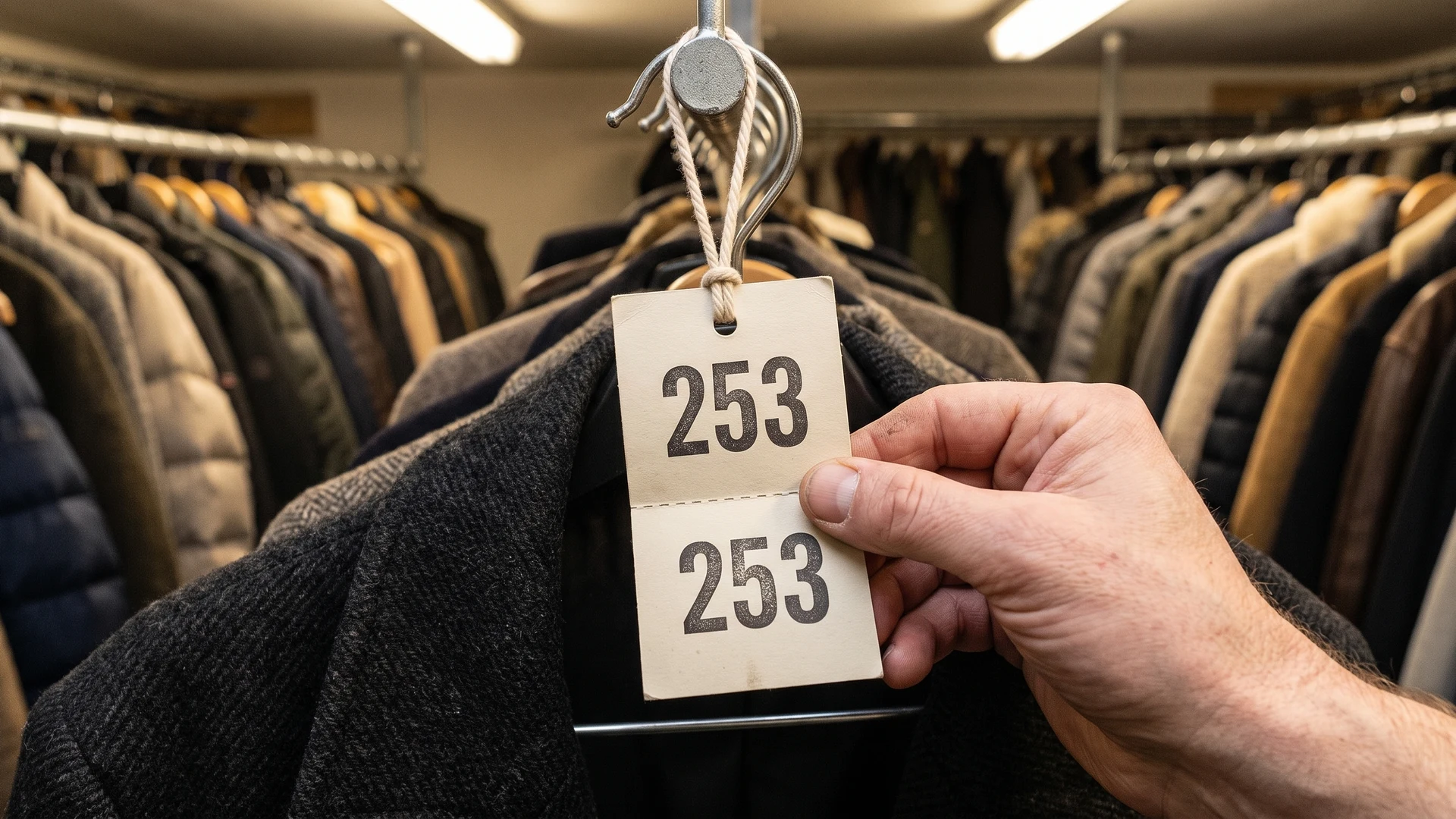
Selecting the right paper weight and perforation style ensures your tickets survive a busy night of handling. Standard paper weights for durable cloakroom tickets range from 200 grams per square meter to 300 grams per square meter, which provides a stiff cardstock feel that resists bending. If your event involves heavy handling, synthetic materials like high-density polyethylene fiber offer waterproof and tear-proof qualities. These heavier materials ensure the numbers remain legible and intact when guests fold them into pockets or bags.
The perforation density on the ticket controls how quickly and cleanly your staff can separate the sections. High hole density means less paper holds the sheets together, allowing staff to tear the ticket very fast with minimal effort, though it leaves a rough edge. Conversely, a low density perforation requires a stronger pull and tears slower, but it leaves a precise and clean edge. Balancing this density is critical so your team can work rapidly without accidentally ripping through the important ticket numbers.
The sequence for receiving and tagging guest items
Establishing a strict workflow for taking items prevents mistakes before they happen. Teaching your temporary event staff a standardized sequence guarantees that every coat and bag receives the correct ticket. This structured routine keeps the queue moving and builds confidence among your team members.
- Greeting the guest: Staff acknowledge the visitor and confirm exactly how many items they wish to store. This initial interaction establishes control over the transaction immediately. It also prevents confusion about whether multiple coats belong to one person.
- Taking the items: The team member physically accepts the coats or bags and places them securely on the counter. Staff should keep these belongings separate from other guests property. Handling one group of items at a time stops accidental mix ups.
- Tearing the ticket: Staff detach the guest portion of the cloakroom ticket along the perforated line. They must perform this action carefully to avoid ripping the printed numbers. A clean tear ensures the ticket remains fully legible for the duration of the event.
- Handing over the receipt: The worker gives the numbered section to the visitor and advises them to keep it safe. Reminding guests to store the ticket securely reduces the number of lost receipts later. This brief verbal instruction sets clear expectations for the collection phase.
- Securing the tag: The staff member immediately attaches the matching ticket half to the coat hanger or bag handle. They must thread the tag securely so it does not fall off during storage. Attaching the number before moving the item is crucial for accurate tracking.
- Hanging the item: The tagged item goes straight to the correct numbered hook or shelf in the storage area. Staff should organize the hangers neatly so the numbers face outward for easy reading. Returning immediately to the front desk prepares the worker for the next guest in line.
Assigning numbering ranges to manage peak departure times
Structuring your numbering system carefully helps your team handle the massive wave of guests leaving at the end of an event. You can divide your cloakroom into distinct blocks, such as assigning numbers one to five hundred to one aisle and the next five hundred to another. When a large crowd arrives to collect their belongings, staff can instantly see which zone holds the requested item just by looking at the ticket. This structured approach prevents workers from wandering aimlessly and significantly reduces waiting times.
Using separate series of numbers for different types of items also streamlines the collection process. For example, you might use one numbering range exclusively for heavy coats and a completely different range for large luggage. This method allows your team to direct guests to specific collection points based on their ticket number. Organizing the departure phase around these numbered ranges keeps the exit flow calm and efficient.
Reducing error rates when returning coats and bags
High pressure during staggered departures often leads to mistakes if your team lacks a clear verification process. Implementing simple visual checks and dispute resolution methods ensures the right coat goes to the right guest every time. These small operational details prevent minor delays from snowballing into long queues.
Standardizing how staff read tickets
Train your team to read ticket numbers aloud when a guest hands them over. This verbal confirmation catches simple misunderstandings and ensures the worker searches for the exact digits printed on the card. Staff should also check the series letter or prefix if your system uses multiple ticket rolls. A consistent reading habit stops team members from grabbing an item that looks similar but belongs to someone else.
Grouping items by ticket color
Using distinct colors alongside numbers provides an immediate visual cue for your staff. You can assign blue tickets to a specific section of the room and red tickets to another, which instantly narrows down the search area. When a guest presents a red ticket, the worker immediately walks to the correct zone without second guessing the location. This color coding adds a layer of security and speeds up the matching process dramatically.
Handling damaged guest tickets
Sometimes guests return with torn, crumpled, or unreadable tickets after a long event. Your team needs a strict policy for handling these situations safely without causing a confrontation. Staff should ask the visitor to wait until the main queue subsides before attempting to identify the item through detailed descriptions. Having a clear escalation process for damaged tickets protects other guests property while resolving the issue professionally.
Steps for preparing cloakroom staff before the event
Proper preparation before the doors open sets the tone for the entire shift. Venue managers must brief their team thoroughly so everyone understands the physical ticket system before the first wave of visitors arrives. A focused training session minimizes confusion and ensures staff are ready for peak traffic.
- Reviewing the layout: Walk the team through the cloakroom to point out the drop off zones, collection points, and specific numbering areas. Highlighting these physical boundaries helps staff understand their designated working space. This spatial awareness prevents team members from colliding during high speed periods.
- Explaining the ticket format: Show the staff exactly how the physical tickets are perforated and which section goes to the guest. Point out any security features, color codes, or numbering prefixes they need to monitor. A clear understanding of the ticket prevents workers from handing out the wrong half.
- Demonstrating the tagging process: Practice attaching the tickets to different types of coats and bags to ensure a secure fit. Hands on practice builds muscle memory so staff can tag items quickly under pressure. Discussing common challenges like unusually shaped luggage prepares the team for unexpected arrivals.
- Assigning specific roles: Give each team member a clear responsibility, such as greeting guests, hanging items, or managing a designated number zone. Clear role definitions stop multiple people from attempting to serve the same visitor. Rotating these roles throughout the night can also keep staff alert and energetic.
- Discussing the escalation process: Instruct the team on how to handle lost or damaged tickets safely. Make sure everyone knows when to call a manager for assistance rather than arguing with a guest. Having a unified approach to disputes maintains a professional atmosphere at the front desk.
Reconciling issued cloakroom tickets after the event
Once the final guest departs, you must reconcile the ticket system to audit your cloakroom usage and secure any leftover belongings. Staff should count the remaining unused tickets on the roll to calculate exactly how many items were checked in during the event. Any hanging coats or bags that still have a matching ticket attached must be logged carefully into your lost property system. This final review helps facility managers measure demand for future events and provides a clear paper trail for uncollected items. For more educational resources on managing physical ticket systems, you can direct general enquiries to Coupon Tickets at contact@coupontickets.com.
How should I number cloakroom tickets for staggered arrivals and departures?
Assign number ranges to each desk and, if needed, to time windows. This avoids two stations issuing the same number and speeds collection later. Record which ranges each desk used, keep a small reserve for reissues, and note item descriptions when issuing to resolve disputes quickly.
What desk layout keeps queues moving when drop-off and collection overlap?
Run parallel desks and separate the lines for drop-off and collection. Give each desk a clear range sign so guests self-select the right queue. Place a runner behind desks to pull items while staff issue stubs. Open a collection-only desk near exits during peak departures.
How should we attach tickets to coats and bags for fast, reliable handover?
Match the attachment to the item. Use string tags through coat loops, plastic cable ties on bag handles, and safety pins for fabric without loops. Pre-punched holes and short cords save time. Avoid weak adhesives on textured fabric, and train staff to attach before moving the item.
What materials and finishes keep cloakroom tickets readable under heavy handling?
Choose heavy cardstock in the 200 to 300 grams per square meter range for most cloakroom tickets. For wet or high-wear venues, use synthetic paper such as polypropylene or Tyvek that resists tearing and moisture. Add protective coatings to reduce smudging and keep numbers readable during repeated handling.
What perforation density is best for two-part cloakroom tickets?
Pick perforation density to balance speed and control. Perforation means a line of small holes that lets you tear a stub. Higher density tears faster but leaves rough edges. Lower density tears cleaner but needs more force. Many cloakrooms choose a middle setting for consistent, quick tearing.